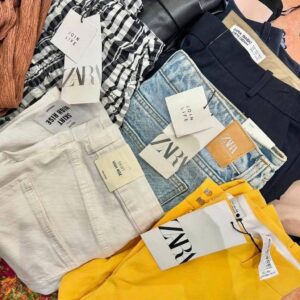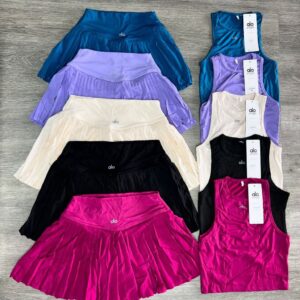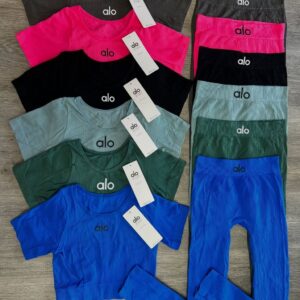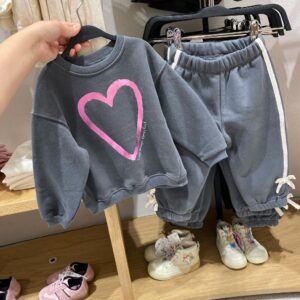
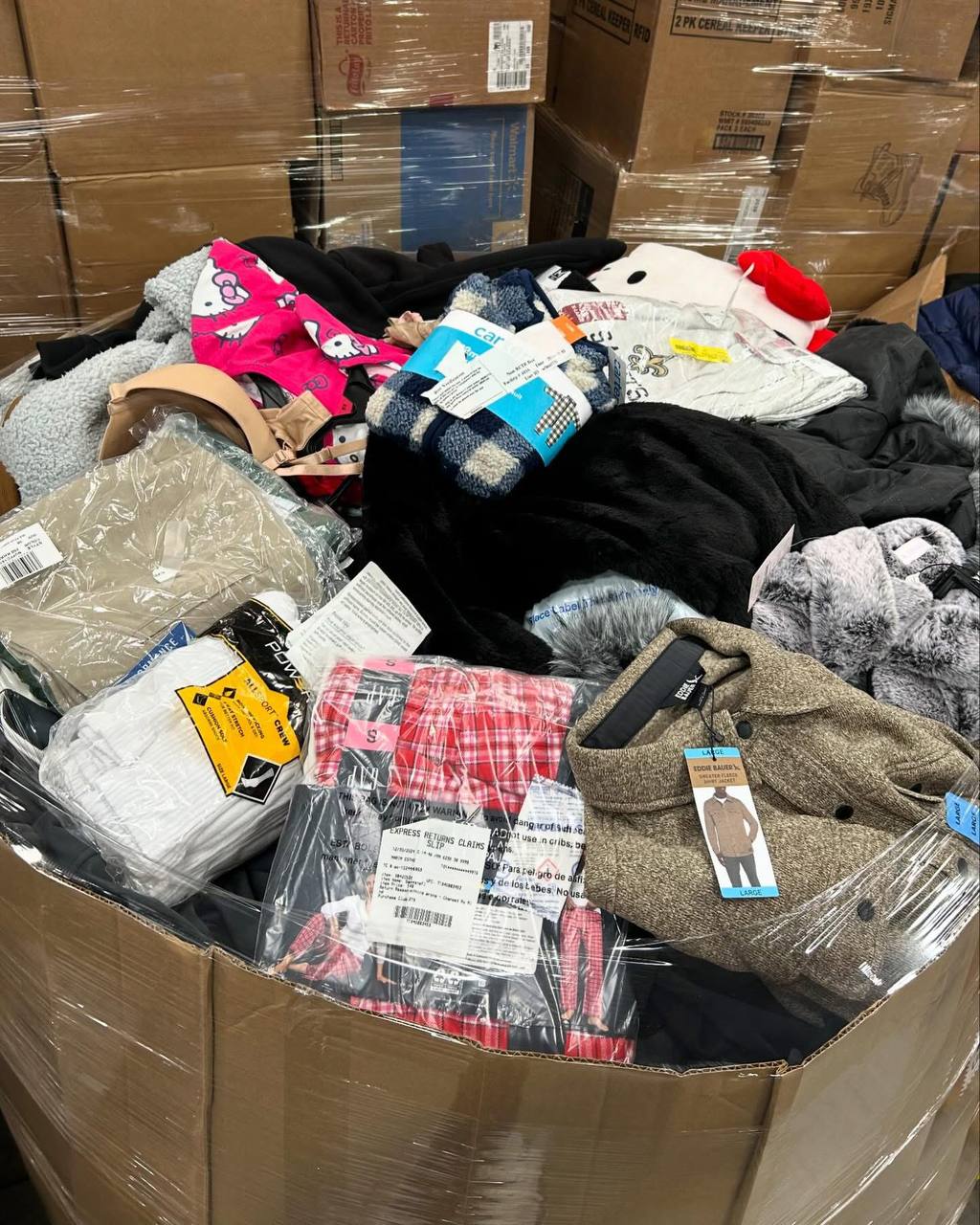
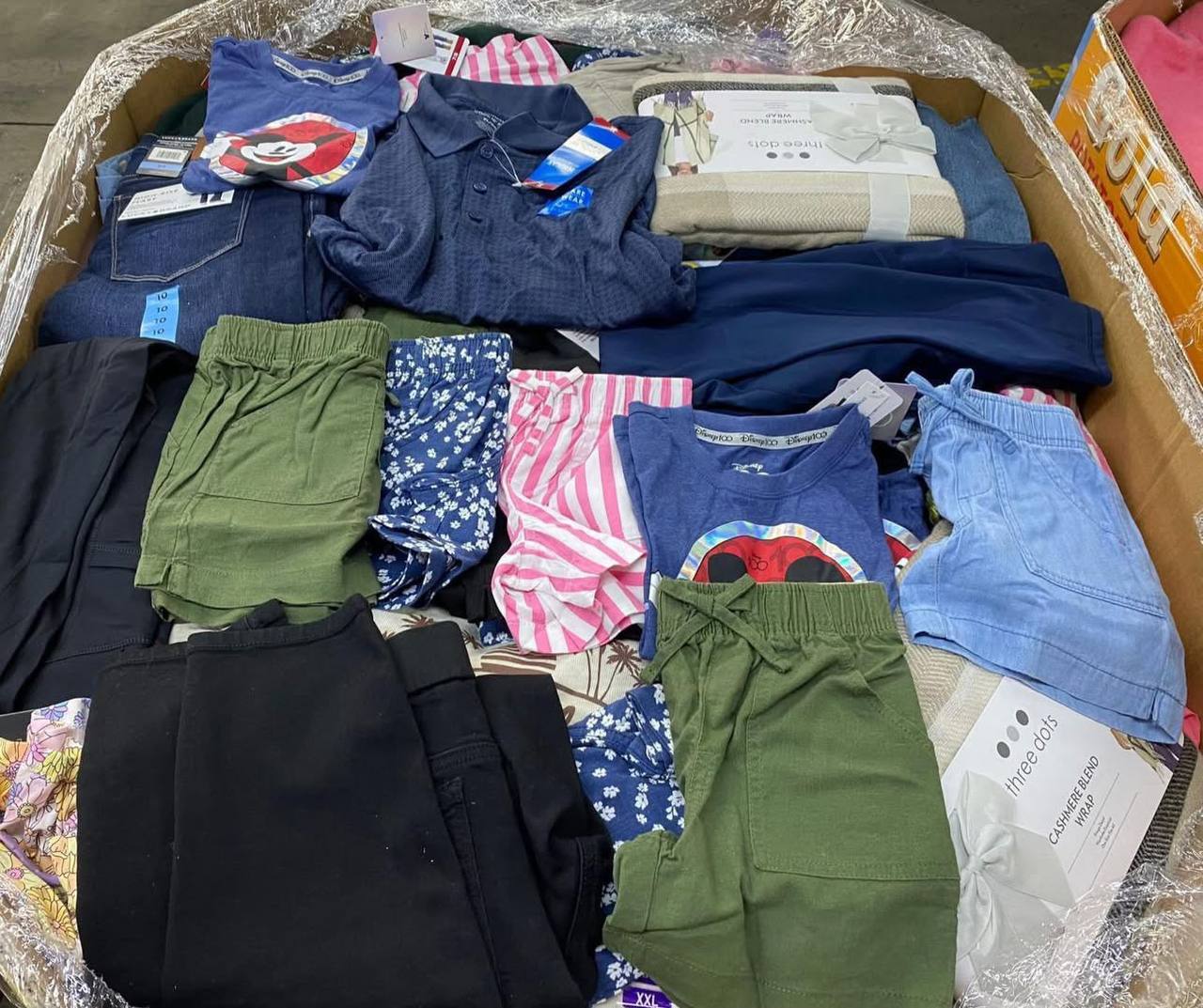
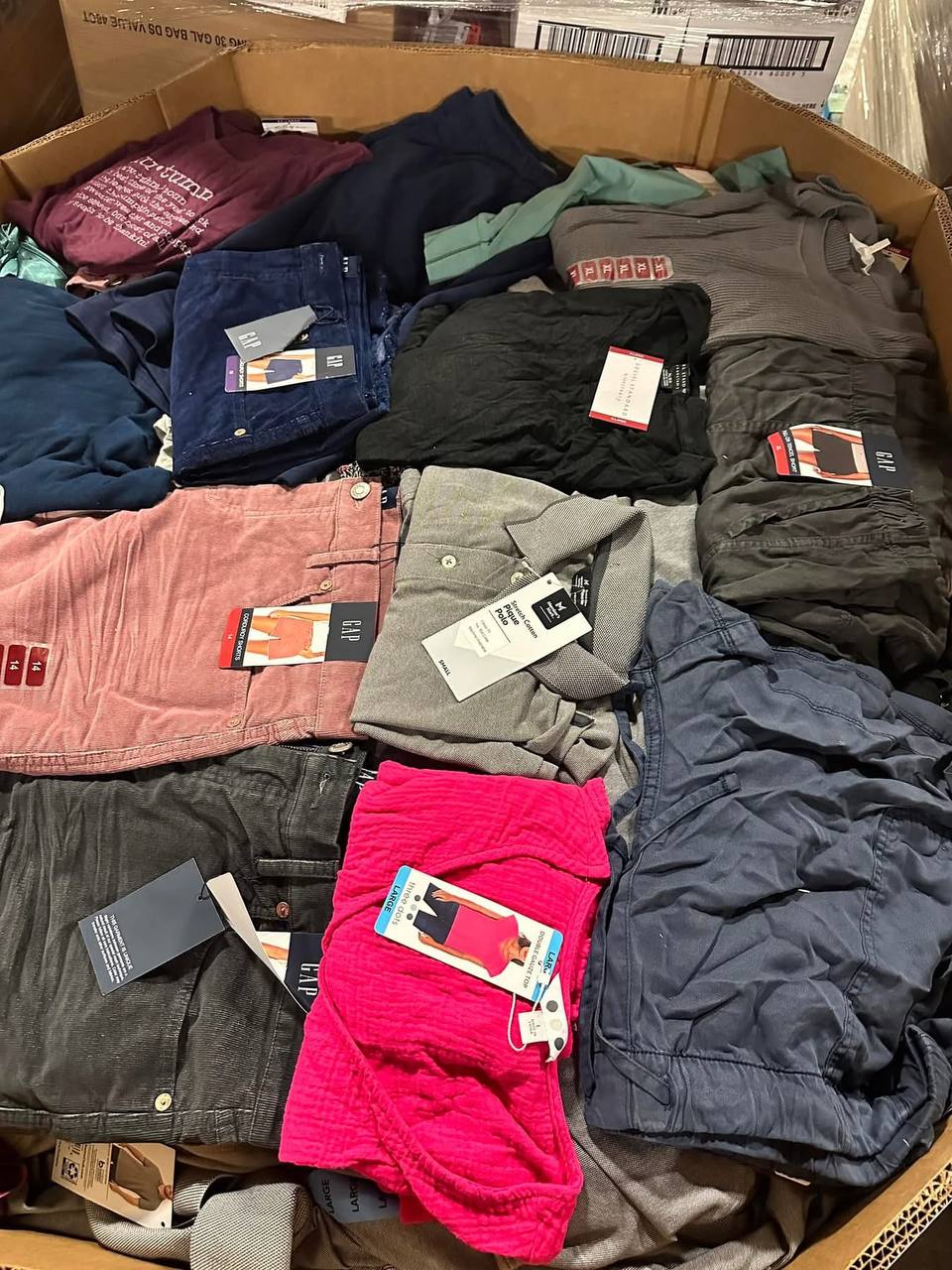
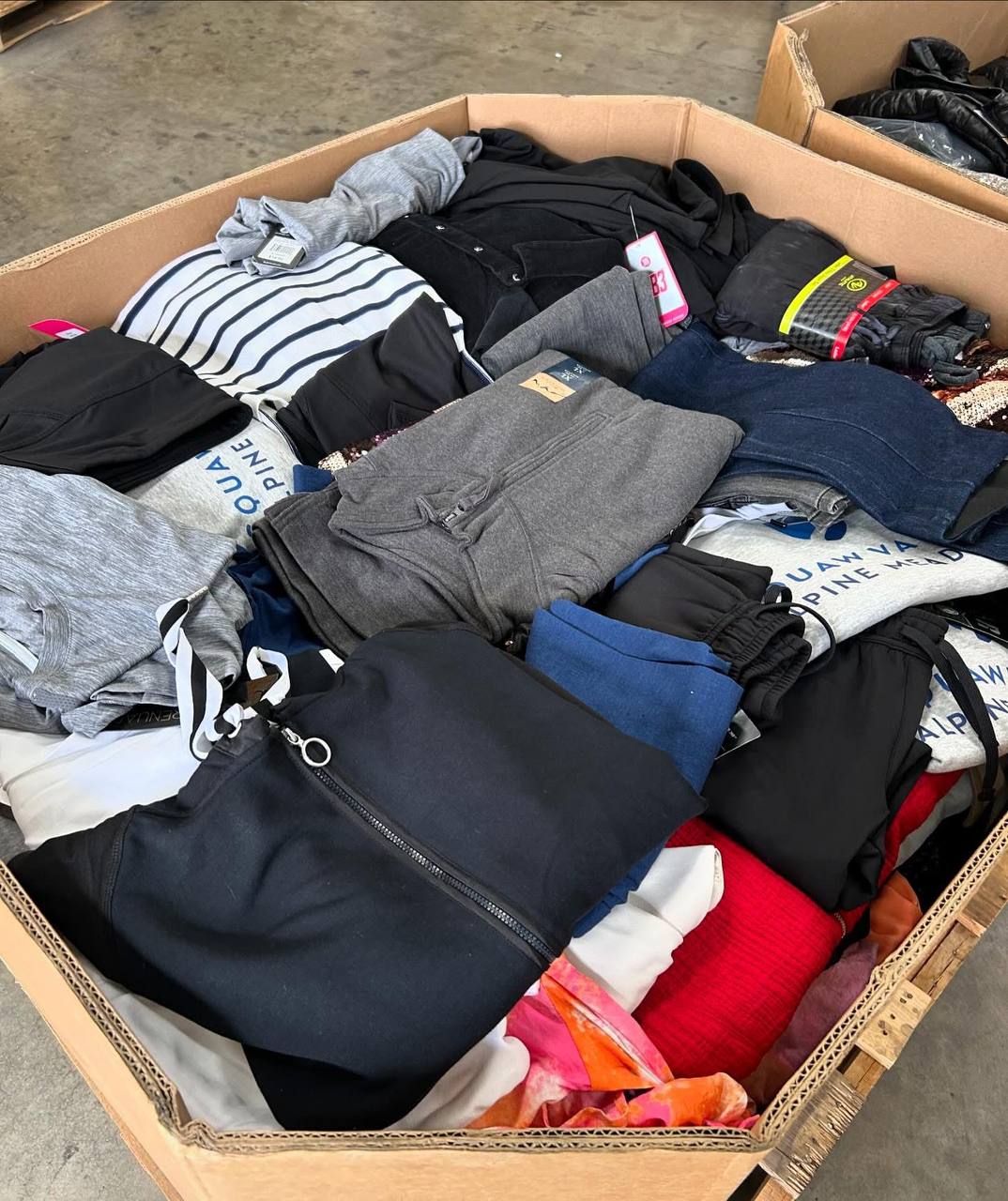
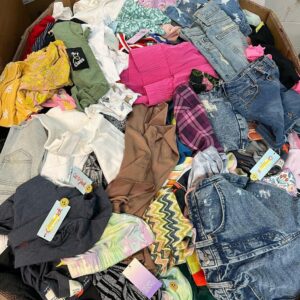
Target Clothing Wholesale Pallet – Wholesale Apparel for Resellers and Retailers

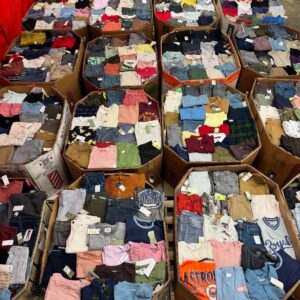
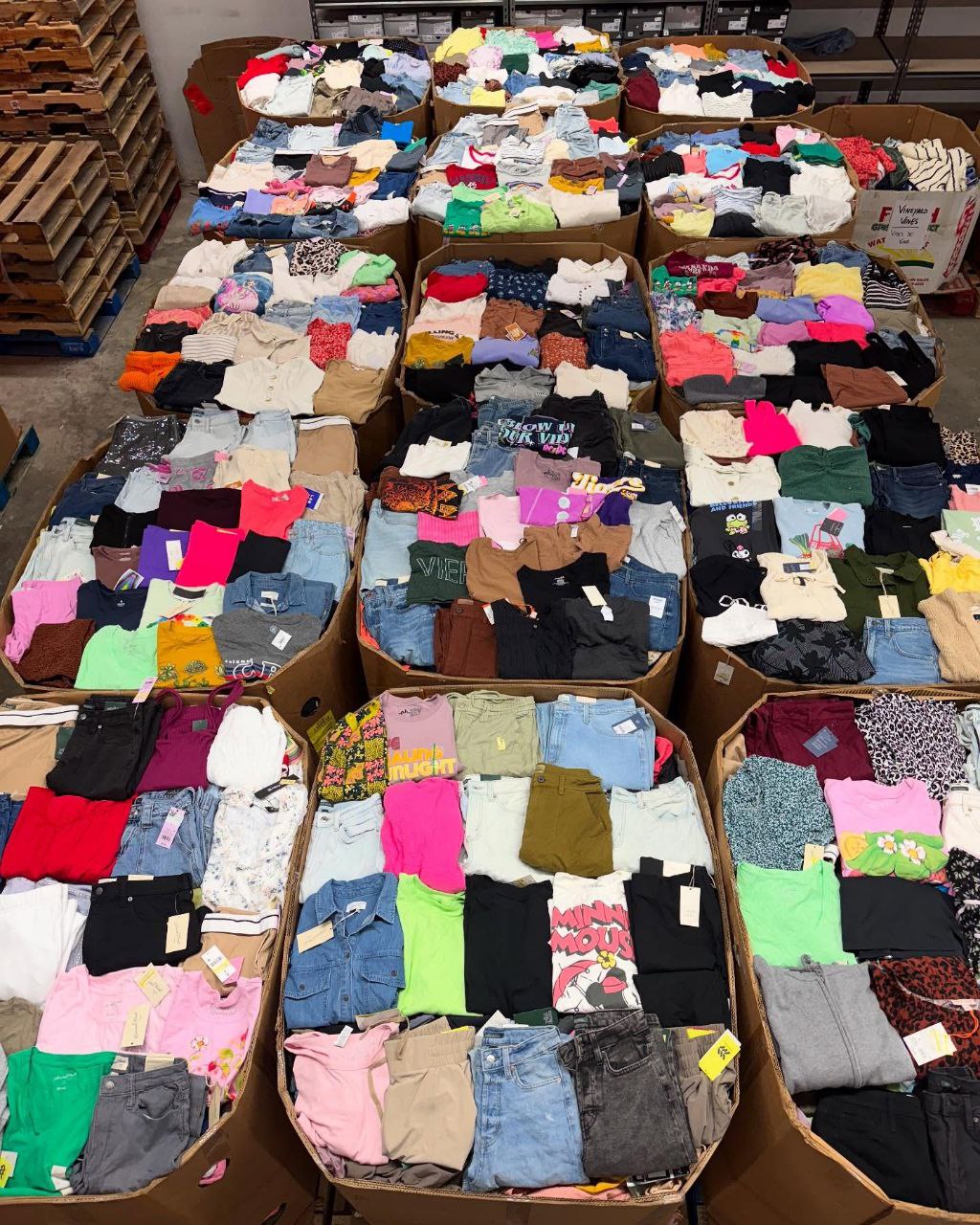
Looking for affordable wholesale clothing to grow your retail business, online store, or resale operation? A Target Clothing Wholesale Pallet offers a convenient way to source a large quantity of apparel in one purchase. With 250 pieces per pallet, this wholesale clothing inventory is suitable for resellers, boutique owners, market traders, discount stores, and entrepreneurs looking to expand their product selection.
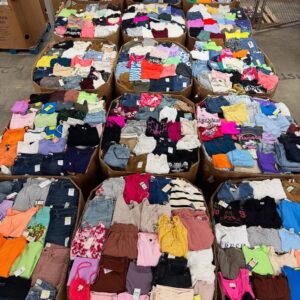
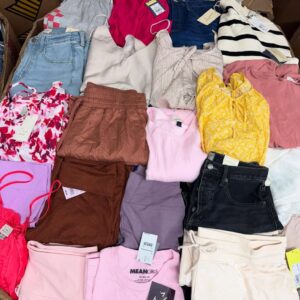
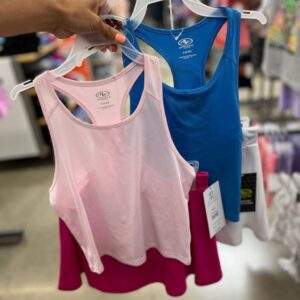
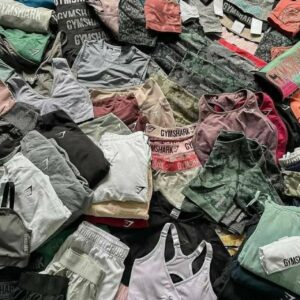
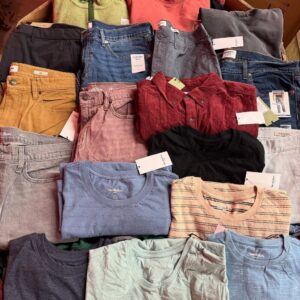
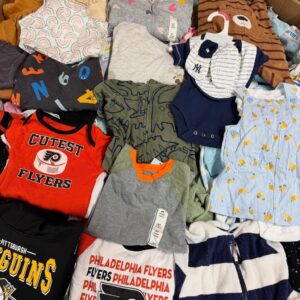
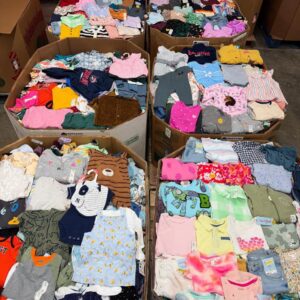
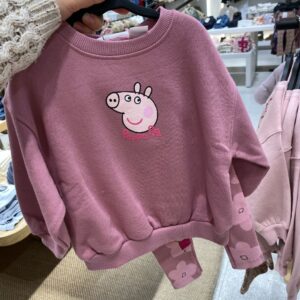
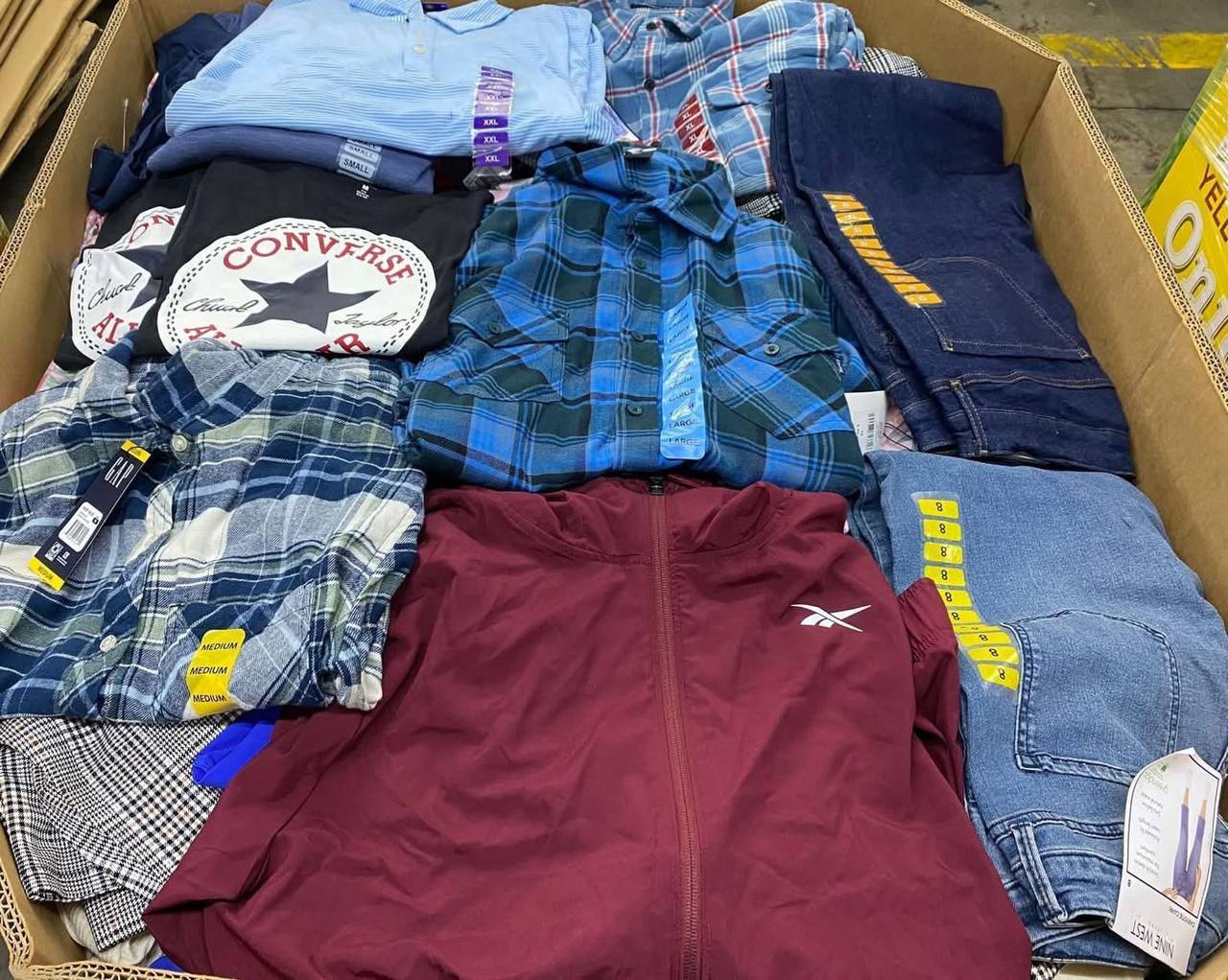
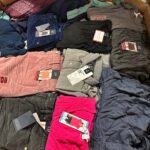
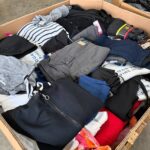
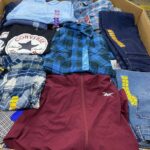
This pallet contains a variety of clothing for men, women, and children, offering opportunities to serve different customer groups from a single inventory purchase. The assortment may include T-shirts, jeans, jackets, dresses, tops, leggings, children’s outfits, pajamas, and other everyday apparel.
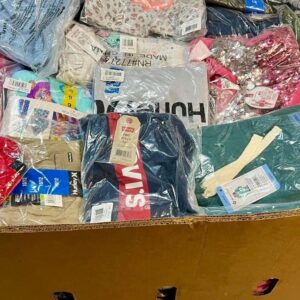
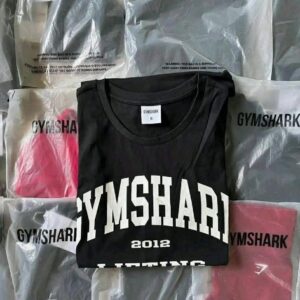
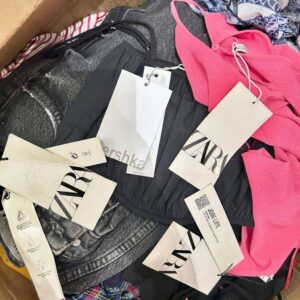
The inventory condition includes brand-new clothing with tags, overstock, and shelf pulls. These products can help retailers build their clothing collections with merchandise suitable for resale, subject to individual item condition and applicable resale requirements.
With worldwide shipping available, this wholesale clothing pallet can serve buyers looking for bulk apparel inventory in different markets. Whether you operate a physical shop, sell through an online marketplace, or manage a growing resale business, this pallet provides a practical option for purchasing clothing in bulk.
Target Clothing Wholesale Pallet Specifications
|
Product Feature |
Details |
|---|---|
|
Product Name |
Target Clothing Wholesale Pallet |
|
Quantity Per Pallet |
250 pieces |
|
Product Category |
Wholesale Clothing and Apparel |
|
Clothing Categories |
Men, women, and children |
|
Condition |
Brand new with tags, overstock, and shelf pulls |
|
Product Types |
Tops, jeans, dresses, jackets, activewear, pajamas, and more |
|
Shipping |
Worldwide |
|
Intended Buyers |
Retailers, resellers, boutiques, and wholesalers |
What Is Included in a Target Clothing Wholesale Pallet?
A Target Clothing Wholesale Pallet is a bulk apparel assortment intended for businesses and individuals purchasing clothing for resale. Each pallet contains 250 pieces, providing buyers with a substantial quantity of merchandise to sort, price, display, and sell.
The assortment includes clothing for different ages, styles, and everyday needs. This variety allows retailers to reach multiple customer segments without sourcing every clothing category separately.
The exact product mix, sizes, colors, styles, and quantities of individual clothing types may vary depending on the available inventory. Buyers should confirm specific assortment details before ordering if they require particular brands, sizes, or styles.
1. Men’s Clothing

Men’s apparel can be a useful addition to clothing stores, online resale shops, and general merchandise businesses. Depending on the available assortment, men’s clothing may include:
-
Casual T-shirts and everyday tops
-
Jeans and casual trousers
-
Jackets and outerwear
-
Activewear and comfortable clothing
-
Formal shirts and button-down shirts
-
Everyday wardrobe essentials
These products can appeal to customers shopping for workwear, casual outfits, weekend clothing, and seasonal wardrobe updates. Retailers can organize the men’s assortment by size, clothing type, style, or intended use to simplify merchandising and inventory management.
2. Women’s Clothing

Women’s clothing offers retailers a broad range of potential products for boutiques, online stores, discount shops, and local markets. The assortment may include:
-
Dresses and casual outfits
-
Tops, blouses, and shirts
-
Leggings and comfortable bottoms
-
Coats and seasonal outerwear
-
Everyday casual clothing
-
Selected fashion and wardrobe essentials
Women’s apparel can help retailers refresh their collections throughout the year. Buyers may sort the inventory into different categories, such as casualwear, workwear, everyday basics, and seasonal clothing, depending on the products received.
For online sellers, individual pieces can be photographed and listed separately, allowing customers to browse by size, style, color, or clothing category.
3. Children’s Clothing

Children’s clothing provides another resale opportunity within this wholesale apparel pallet. Depending on the available inventory, children’s apparel may include:
-
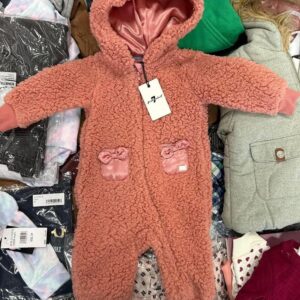
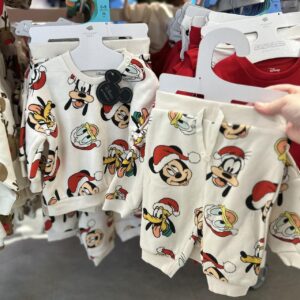
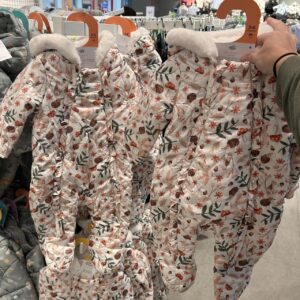
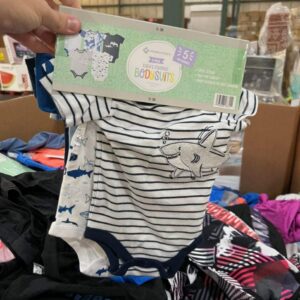
Onesies and baby clothing
-
Children’s pajamas and sleepwear
-
Casual outfits for everyday use
-
Tops, trousers, and comfortable basics
-
School clothing and everyday essentials
-
Seasonal children’s apparel
Parents and caregivers regularly shop for clothing as children grow, making children’s apparel a relevant category for retailers serving families. Resellers can separate these products by age range, size, clothing type, and season to make stock easier to manage.
Because the exact assortment can vary, buyers should not assume that every pallet contains equal quantities of men’s, women’s, and children’s clothing.
Why Buy a Target Clothing Wholesale Pallet?
Purchasing wholesale clothing in bulk can help businesses expand their product offerings while simplifying inventory sourcing. A 250-piece pallet offers several practical advantages for buyers who understand their market and have a plan for sorting and reselling the merchandise.
Bulk Inventory in One Purchase
With 250 pieces per pallet, buyers can acquire a substantial quantity of clothing through a single wholesale order. This can reduce the need to purchase individual garments from multiple suppliers and provide a starting inventory for new retailers.
A Variety of Clothing Categories
The inclusion of men’s, women’s, and children’s apparel provides flexibility for sellers who serve different customer groups. Instead of focusing exclusively on one type of garment, retailers can organize their inventory into several categories based on customer demand.
New Clothing with Tags, Overstock, and Shelf Pulls
The stated inventory condition includes brand-new clothing with tags, overstock, and shelf pulls.
-
Brand-new with tags: Items described as new with original retail tags attached.
-
Overstock: Merchandise remaining after a retailer has purchased more stock than it needs.
-
Shelf pulls: Items removed from retail shelves or store inventory, often because of assortment changes, seasonal transitions, or merchandising decisions.
Although these categories can include unused merchandise, buyers should inspect items when received and verify the condition of individual garments. Shelf-pulled items may have handling marks, damaged packaging, missing tags, or other minor imperfections.
Opportunities for Retail Resale
Wholesale apparel can be resold through different sales channels, including physical shops, online marketplaces, social commerce, pop-up stores, and local markets.
The potential return depends on the purchase price, transportation costs, selling fees, garment condition, customer demand, and the prices buyers are willing to pay. Careful inventory planning is essential for achieving sustainable margins.
Worldwide Shipping Availability
Worldwide shipping makes this pallet accessible to buyers outside the supplier’s immediate market. International buyers should confirm delivery costs, shipping timelines, customs documentation, import duties, taxes, and any clothing-labeling requirements that apply in their destination country before purchasing.
Who Should Buy a Target Clothing Wholesale Pallet?
This wholesale clothing pallet may suit a range of businesses and resale operations.
Boutique owners: Add a variety of apparel to an existing clothing collection or test new product categories.
Online clothing sellers: Source bulk merchandise for individual listings on e-commerce platforms, websites, and social selling channels.
Market traders: Build inventory for stalls, weekend markets, community sales, and local retail events.
Discount clothing stores: Supplement existing stock with assorted everyday apparel and seasonal garments.
Wholesale distributors: Sort suitable merchandise into smaller lots for resale to other retailers, where permitted.
New entrepreneurs: Explore clothing resale with a bulk inventory purchase, provided the investment aligns with their available budget, storage capacity, and target market.
Before ordering, consider whether your customers typically purchase budget clothing, everyday basics, fashion items, children’s apparel, or seasonal garments. Understanding your market can help you decide how to allocate your inventory and set appropriate prices.
How to Make Money Reselling Wholesale Clothing
Buying a wholesale pallet is only the first step. Successful resale requires a practical strategy for organizing stock, pricing products, and reaching potential customers.
Step 1: Sort and Inspect the Inventory
When your pallet arrives, count the pieces and organize the clothing into categories such as men’s, women’s, and children’s apparel. Separate garments by size, product type, condition, and season where practical.
Check for stains, damaged seams, missing buttons, incorrect labels, or other issues that may affect resale value. Record any discrepancies between the delivered inventory and the supplier’s stated terms.
Step 2: Research Your Local Market
Investigate which clothing types customers in your area buy most frequently. Compare prices for similar garments at local shops, online marketplaces, and discount retailers.
Pay attention to common sizes, seasonal demand, preferred styles, and customer budgets. These observations can guide your pricing and sales strategy.
Step 3: Calculate Your Cost Per Piece
Your actual cost per garment includes more than the pallet purchase price. Factor in shipping, import duties, taxes, handling, packaging, marketplace fees, and any cleaning or preparation costs.
Use this formula:
Total inventory cost ÷ 250 pieces = average cost per piece.
For example, if your total landed inventory cost is $1,000, your average cost is $4 per piece. This is an illustration, not the actual price of this pallet.
If some garments are unsuitable for resale, calculate your effective cost using the number of sellable pieces instead of the full 250.
Step 4: Choose Suitable Sales Channels
Different clothing categories may perform differently across sales channels. Consider selling through:
-
Your own e-commerce website
-
Online marketplaces
-
Social media shops
-
Local clothing stores
-
Flea markets and community markets
-
Wholesale bundles for other resellers
You can sell garments individually or group selected items into coordinated bundles. Test different approaches and track which products generate sales at profitable prices.
Step 5: Track Sales and Reinvest Carefully
Maintain records of your inventory, sale prices, expenses, returns, and remaining stock. This information helps identify popular categories and slow-moving garments.
Use your sales data to make informed purchasing decisions for future wholesale clothing orders rather than assuming every pallet will have the same assortment or resale performance.
Tips for Buying Wholesale Clothing Pallets Internationally
International wholesale purchases require additional planning, especially when the buyer is responsible for transportation and import costs.
Before completing your order, consider the following:
-
Confirm the product quantity: Verify that the order includes 250 pieces per pallet.
-
Ask about the assortment: Request available information about categories, sizes, and inventory composition.
-
Clarify the condition: Confirm how new-with-tags merchandise, overstock, and shelf pulls are represented.
-
Request shipping details: Check the delivery method, estimated transit time, and shipping charges to your destination.
-
Review import requirements: Check customs duties, taxes, documentation, and any restrictions on importing apparel.
-
Understand the sales terms: Review payment conditions, delivery responsibilities, return policies, and procedures for reporting discrepancies.
These checks can help you estimate your total investment more accurately and avoid misunderstandings about the merchandise you will receive.
Why Choose a 250-Piece Clothing Pallet for Your Business?
A 250-piece assortment offers a defined quantity that buyers can use when planning storage, pricing, and sales targets. It can provide enough stock to introduce multiple clothing categories while remaining easier to manage than an extremely large bulk shipment.
For established retailers, the pallet may supplement existing inventory. For smaller resellers, it may serve as a starting point for testing demand across several product types.
However, the commercial value of any pallet depends on the actual assortment and the buyer’s ability to sell the garments. A larger quantity does not automatically guarantee higher profits, and not every clothing style will appeal equally to every customer.
For this reason, consider the pallet’s total landed cost, the quality and suitability of the merchandise, and your expected selling prices before committing to a purchase.
Order Your Target Clothing Wholesale Pallet Today
Expand your apparel inventory with a Target Clothing Wholesale Pallet containing 250 pieces of men’s, women’s, and children’s clothing. With inventory conditions listed as brand new with tags, overstock, and shelf pulls, this assortment provides an option for retailers and resellers looking to source clothing in bulk.
Whether you operate a boutique, online shop, discount clothing store, or local resale business, wholesale apparel can help you introduce additional products to your customers.
Worldwide shipping is available, making this pallet an option for buyers in different markets. Before ordering, confirm current availability, pricing, assortment details, shipping costs, and applicable import requirements.
Ready to expand your clothing inventory? Contact the supplier for current pricing, shipping arrangements, and order details for the Target Clothing Wholesale Pallet.
Frequently Asked Questions (FAQs)
1. How many pieces are included in a Target Clothing Wholesale Pallet?
Each pallet contains 250 pieces of clothing. The assortment may include men’s, women’s, and children’s apparel, with the exact product mix depending on available inventory.
2. What types of clothing are included in the pallet?
The assortment may include T-shirts, jeans, jackets, activewear, formal shirts, dresses, blouses, leggings, coats, children’s outfits, onesies, pajamas, and other everyday clothing.
Specific styles, sizes, colors, and quantities are not guaranteed unless confirmed by the supplier.
3. What is the condition of the clothing?
The stated conditions are brand new with tags, overstock, and shelf pulls. Buyers should confirm the supplier’s grading standards and understand that shelf-pulled merchandise may show handling marks or other minor imperfections.
4. Is the Target Clothing Wholesale Pallet suitable for resale?
Yes, it is intended for wholesale clothing buyers, including retailers, boutique owners, online sellers, market traders, and other resellers. Actual resale suitability depends on the condition of individual garments, local demand, and applicable selling requirements.
5. Can I resell the clothing online?
Online resale may be possible through your own website, social commerce, and appropriate marketplaces, subject to each platform’s policies and applicable laws. Check product descriptions, labeling, brand-related requirements, and resale rules before listing the merchandise.
6. Is worldwide shipping available?
Yes, worldwide shipping is listed as available. Shipping costs, delivery times, customs charges, and import requirements depend on the destination and shipping arrangement. Confirm these details before placing your order.
7. Will every pallet contain equal quantities of men’s, women’s, and children’s clothing?
Not necessarily. The assortment includes clothing for these categories, but the precise quantities may vary. Ask the supplier for an available inventory breakdown if you need a particular category or size range.
8. Are all items brand new with original tags?
The stated inventory condition includes brand-new items with tags, overstock, and shelf pulls. Buyers should confirm the proportion of each category and whether all garments are expected to have original tags attached.
9. How do I calculate the potential profit from a clothing pallet?
Start by adding the purchase price, shipping, import charges, taxes, packaging, and other expenses. Divide the total cost by the number of garments suitable for resale to estimate your effective cost per sellable piece.
Then compare expected selling prices against that cost, allowing for platform fees, discounts, returns, and unsold inventory. Profitability depends on actual sales and expenses rather than the number of garments alone.
10. Is this pallet suitable for a new clothing business?
It may be suitable for entrepreneurs who have a clear target market, adequate storage, and a plan for selling assorted apparel. Before investing, research local demand, estimate the full landed cost, and ensure the quantity matches your budget and business capacity.
11. Can I choose specific clothing sizes or styles?
Size and style selection depends on the supplier’s inventory and order terms. Because this product is described as a wholesale pallet, buyers should not assume that custom selection is available. Contact the supplier to confirm whether specific requirements can be accommodated.
12. What should I check before placing an order?
Confirm the total price, quantity, clothing condition, assortment details, shipping costs, estimated delivery time, payment terms, return policy, and any applicable import charges. Obtaining clear written terms before payment can help you plan your purchase more effectively.