Bulk Tool Pallets for Sale: How to Find the Best Wholesale Tool Deals
If you are looking for affordable inventory to resell, Bulk Tool Pallets for Sale can be an excellent opportunity to source a large selection of tools at wholesale prices. From hand tools and power tools to automotive equipment, hardware, and workshop essentials, bulk liquidation pallets can help retailers, contractors, online sellers, flea market vendors, and small businesses stock up while keeping acquisition costs competitive.
Wholesale tool pallets are commonly sourced from liquidation inventory, overstock, shelf pulls, customer returns, and excess inventory. Because these products are purchased in bulk, buyers may have the opportunity to acquire tools for significantly less than traditional retail prices.
However, not every pallet offers the same value. Understanding what to look for, how liquidation inventory works, and how to evaluate potential resale value can help you make smarter wholesale purchasing decisions.
What Are Bulk Tool Pallets?
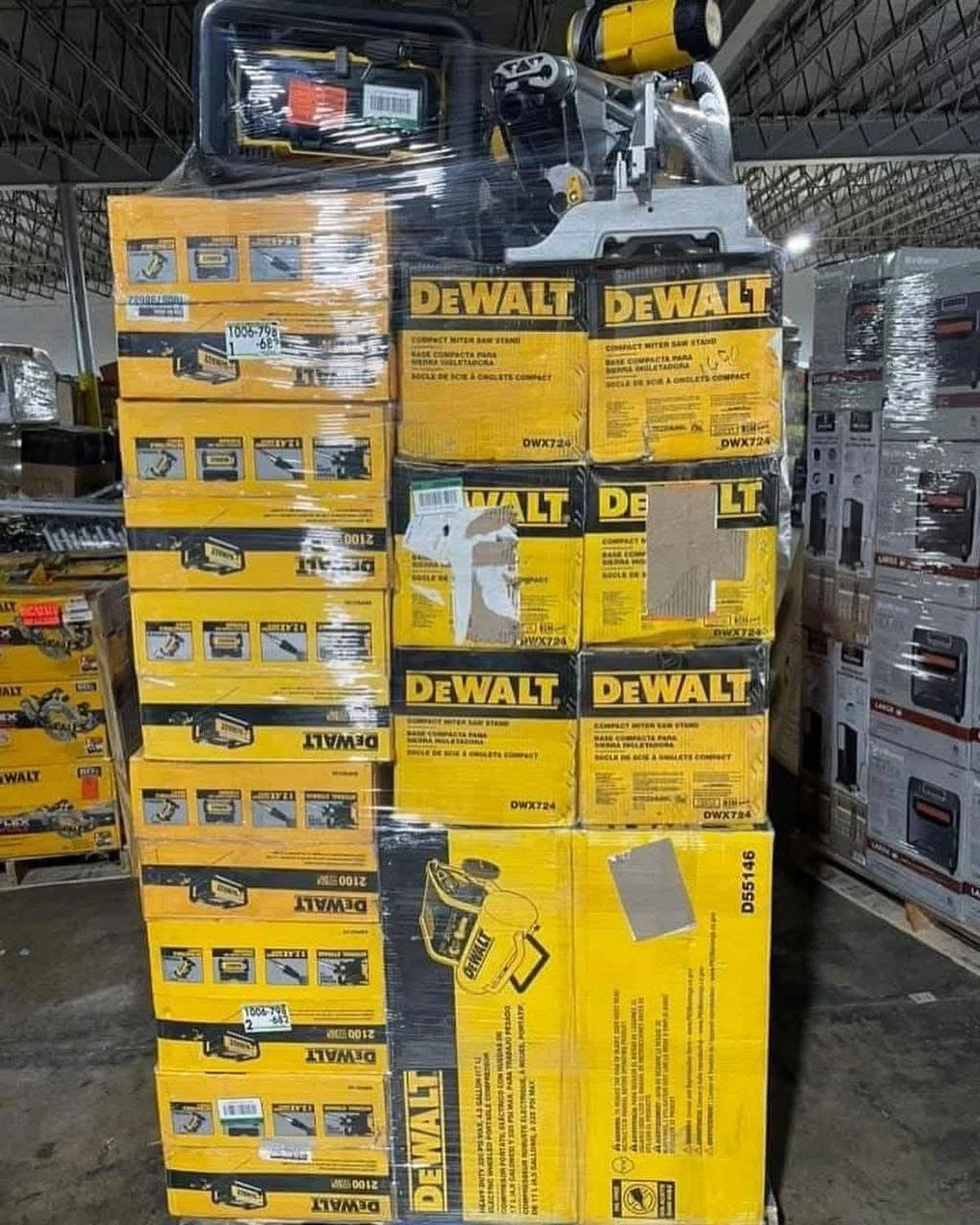
Bulk tool pallets are large quantities of tools and related products grouped together and sold as a wholesale lot. Instead of purchasing individual products at retail prices, buyers purchase a pallet containing multiple items.
Depending on the supplier and inventory source, a tool pallet may contain products such as:
- Hand tools
- Power tools
- Cordless tools
- Tool sets
- Wrenches and socket sets
- Drills and accessories
- Automotive tools
- Workshop equipment
- Hardware
- Measuring tools
- Home improvement products
- Tool storage accessories
- Construction supplies
The exact contents can vary, particularly when pallets are sourced from liquidation or customer-return inventory.
For businesses that regularly sell tools, purchasing wholesale pallets can provide access to a diverse inventory without having to source hundreds of individual products separately.
Why Buy Bulk Tool Pallets for Sale?
One of the biggest reasons businesses search for Bulk Tool Pallets for Sale is the potential to reduce inventory costs.
Buying wholesale allows resellers to purchase multiple products in one transaction. Instead of paying individual retail prices, you acquire inventory at a bulk price and can then resell suitable products through your preferred sales channels.
Lower Wholesale Acquisition Costs
Liquidation and overstock tools may be available below traditional wholesale or retail pricing. This creates an opportunity for businesses to build inventory while managing their purchasing budget.
Large Product Selection
A single pallet can contain numerous tools and accessories. This variety can be useful for online stores, discount retailers, hardware sellers, and marketplace businesses.
Resale Opportunities
Tools are practical products with broad applications. Homeowners, mechanics, contractors, DIY enthusiasts, and tradespeople regularly purchase tools and accessories, making the category attractive for many types of resellers.
Convenient Bulk Sourcing
Rather than searching for individual products from multiple suppliers, a wholesale tool pallet can provide a large inventory purchase in one transaction.
Where Do Wholesale Tool Pallets Come From?
Understanding the source of liquidation inventory is important when evaluating wholesale pallets.
Tool pallets may come from several types of inventory channels.
Overstock Inventory
Overstock consists of products that retailers or distributors have more of than they currently need. These products may be new and unused while being sold through liquidation or wholesale channels to make room for new inventory.
Shelf Pulls
Shelf pulls are products removed from retail shelves. They may be new but could have packaging wear from handling or store display.
Customer Returns
Customer-return inventory can include products that were purchased and later returned. Condition can vary, so buyers should understand the supplier’s grading and inspection process before purchasing.
Excess Inventory
Manufacturers, distributors, and retailers may liquidate excess inventory to free warehouse space and recover capital.
Because inventory sources differ, condition, quantity, brands, packaging, and product mix can vary from pallet to pallet.
How to Find the Best Bulk Tool Pallets for Sale
Finding a good pallet is about more than simply looking for the lowest price. You should consider the overall value of the inventory and whether the products match your target customers.
1. Choose the Right Tool Category
Before buying, determine which types of tools you want to sell.
For example, you may focus on:
- Power tools
- Hand tools
- Automotive tools
- Construction tools
- DIY tools
- Workshop equipment
- Tool accessories
A focused product category can make inventory management and marketing easier.
2. Review the Product Manifest When Available
A manifest provides information about the products included in a liquidation pallet. If a manifest is available, review it carefully before purchasing.
Look for:
- Product names
- Quantities
- Brands
- Suggested retail values
- Product condition
- Model information
- Accessories included
A detailed manifest can make it easier to estimate potential resale value.
3. Understand Product Condition
Condition is one of the most important factors when buying liquidation inventory.
Tool pallets may include:
Brand New: Products that have not been used.
Overstock: Excess inventory that may remain unused.
Shelf Pulls: Products removed from retail shelves.
Customer Returns: Previously purchased products that have been returned.
Mixed Condition: A combination of different inventory conditions.
Always understand the supplier’s condition description before placing an order.
4. Compare the Total Cost
Don’t evaluate a pallet based only on the advertised purchase price.
Consider the total acquisition cost, including:
- Pallet price
- Freight
- Shipping
- Handling fees
- Storage
- Packaging
- Cleaning or testing
- Marketplace selling fees
Your real cost per item is what matters when determining potential profitability.
How to Calculate the Value of a Tool Pallet
One simple way to evaluate a pallet is to calculate the estimated cost per item.
For example, if a pallet costs $1,500 and contains approximately 100 sellable products:
$1,500 ÷ 100 = $15 average acquisition cost per item
You can then compare the average acquisition cost with realistic resale prices.
However, estimated retail value should not automatically be treated as guaranteed profit. Actual resale prices depend on product condition, brand, demand, competition, marketplace fees, shipping costs, and other factors.
Smart buyers evaluate the realistic resale value, not just the suggested retail value.
Best Places to Resell Wholesale Tools
Once you purchase a tool pallet, there are several potential sales channels.
Online Marketplaces
Online marketplaces can provide access to customers searching for specific tools and brands.
Your Own Ecommerce Store
A dedicated ecommerce website gives you greater control over branding, product descriptions, promotions, and customer relationships.
Local Retail
Tool pallets can also be suitable for discount stores, hardware shops, warehouse sales, and local retail businesses.
Flea Markets and Trade Shows
Physical selling environments can be useful for moving individual tools, mixed lots, and lower-priced accessories.
Social Commerce
Social media marketplaces and community selling groups can also provide opportunities to sell tools directly to local buyers.
The best sales channel depends on your inventory, target customer, location, and selling experience.
What Tools Are Popular in Wholesale Pallets?
The exact contents vary, but some tool categories are consistently attractive to buyers.
Power Tools
Power tools can include drills, saws, grinders, sanders, and other electrical or battery-powered equipment.
Hand Tools
Wrenches, screwdrivers, pliers, hammers, sockets, and other hand tools are useful across many industries.
Automotive Tools
Automotive tools can appeal to mechanics, automotive enthusiasts, repair shops, and DIY customers.
Tool Sets
Complete tool sets can be particularly attractive because customers can purchase multiple related tools in one package.
Accessories
Tool accessories such as drill bits, blades, measuring equipment, and replacement components can complement larger tools and create additional resale opportunities.
Benefits of Buying Wholesale Liquidation Inventory
Buying liquidation inventory can provide several advantages for growing businesses.
First, it can give sellers access to products at competitive acquisition prices. Second, liquidation pallets can introduce variety into an existing product catalog. Third, bulk purchases can help businesses maintain inventory without repeatedly ordering individual items.
For new entrepreneurs, liquidation pallets may also provide a practical way to experiment with different product categories and determine which products sell best.
However, liquidation purchasing requires careful research. A low purchase price does not automatically guarantee profitability.
Tips for Buying Bulk Tool Pallets
Before purchasing Bulk Tool Pallets for Sale, use these simple guidelines:
Research the Supplier
Look for a supplier with clear product descriptions, transparent purchasing information, and accessible customer support.
Know What You Are Buying
Read the pallet description carefully. Check whether the inventory is new, overstock, shelf pulls, customer returns, or mixed condition.
Ask About Shipping
Large pallets can have significant freight costs. Make sure you understand the shipping terms before completing your purchase.
Consider Your Customers
Buy products that fit your existing customer base. A pallet full of products you cannot easily sell may not be a good investment.
Calculate Potential Margins
Estimate realistic selling prices and subtract your complete acquisition and selling costs.
Start at a Manageable Scale
If you are new to liquidation, consider starting with a manageable wholesale order before committing a large amount of capital.
Bulk Tool Pallets vs. Traditional Wholesale Tools
Traditional wholesale purchasing typically allows buyers to select specific products and quantities. Liquidation pallets are often different because the inventory may be sold as a predetermined lot.
Traditional wholesale can provide more consistency, while liquidation pallets may offer greater variety and potentially lower acquisition costs.
For many businesses, the right choice depends on their goals.
If you need specific products in predictable quantities, traditional wholesale may be preferable. If you are comfortable with mixed inventory and want opportunities to purchase excess, overstock, shelf-pull, or return merchandise in bulk, liquidation pallets may be worth considering.
Why Tool Liquidation Can Be a Good Business Opportunity
Tools have applications across residential, commercial, automotive, construction, maintenance, and DIY markets. This broad customer base makes tools an interesting category for wholesale and liquidation resellers.
A business can also create multiple price points from one pallet. Higher-value products can be sold individually, while smaller accessories can be grouped into bundles or discounted lots.
For example, a seller might list premium tools individually while creating affordable tool bundles from smaller items. This approach can help maximize the potential value of different products within the same pallet.
Common Mistakes to Avoid
Even experienced resellers can make mistakes when purchasing liquidation inventory.
Focusing Only on Retail Value
A suggested retail value does not guarantee what you will receive or what you can actually sell the products for.
Ignoring Freight Costs
A pallet may look inexpensive until shipping is added. Always calculate your landed cost.
Buying Without Understanding Condition
Customer returns and used inventory can require additional testing, cleaning, repairs, or repackaging.
Purchasing Products Without Demand
A cheap pallet is not necessarily a good pallet if there is little customer demand for its contents.
Overestimating Profit
Build your calculations around realistic selling prices and account for fees, returns, shipping, and other business expenses.
Are Bulk Tool Pallets Worth Buying?
For the right buyer, Bulk Tool Pallets for Sale can be a valuable way to source wholesale inventory.
The key is to evaluate each opportunity based on product selection, condition, acquisition cost, shipping expenses, customer demand, and realistic resale prices.
Instead of simply searching for the cheapest pallet, look for inventory that fits your business model and has a clear path to resale.
Whether you operate an online store, discount retailer, hardware business, flea market booth, or resale operation, wholesale tool pallets can help you build a diverse inventory while purchasing products in bulk.
Shop Wholesale and Liquidation Tool Inventory
If you’re ready to expand your inventory, exploring bulk tool pallets, wholesale pallets, liquidation inventory, overstock products, and customer-return merchandise can help you discover new sourcing opportunities.
At Uptown Liquidation, buyers can explore wholesale liquidation opportunities designed for businesses looking to source products in bulk. Before purchasing, review the available product information, condition details, quantities, and shipping terms so you can choose inventory that aligns with your resale strategy.
The right pallet is not simply the one with the lowest price—it is the one that offers a strong combination of product quality, demand, quantity, and potential resale value.
Frequently Asked Questions About Bulk Tool Pallets
What are bulk tool pallets?
Bulk tool pallets are wholesale lots containing multiple tools and related products sold together. Depending on the inventory source, pallets may contain overstock, shelf pulls, customer returns, or other liquidation merchandise.
Where can I buy bulk tool pallets for sale?
You can purchase bulk tool pallets from liquidation companies, wholesale suppliers, inventory liquidators, and other businesses specializing in excess and liquidation merchandise.
What types of tools can be found in liquidation pallets?
Tool pallets may contain hand tools, power tools, automotive tools, tool sets, workshop equipment, hardware, accessories, and other related products. Contents vary by pallet.
Are liquidation tool pallets new?
Some liquidation pallets contain brand-new overstock or shelf-pull merchandise, while others may contain customer returns or mixed-condition products. Always check the condition description before purchasing.
Can I resell tools from a liquidation pallet?
Yes. Many businesses purchase wholesale and liquidation tools for resale through ecommerce stores, online marketplaces, local retail stores, flea markets, and other sales channels.
Are bulk tool pallets profitable?
They can be, but profitability depends on the purchase price, product condition, customer demand, shipping expenses, selling fees, and your actual resale prices. No pallet should be considered automatically profitable based solely on estimated retail value.
How do I choose the best wholesale tool pallet?
Look at the product category, quantity, condition, brands, manifest information when available, shipping costs, total acquisition price, and potential customer demand. Choose inventory that fits your target market.
What is the difference between wholesale and liquidation tool pallets?
Wholesale inventory is generally purchased through established wholesale channels, often with more predictable product selection. Liquidation pallets may consist of overstock, shelf pulls, customer returns, and excess inventory and can have more variable contents and conditions.
Can small businesses buy tool pallets?
Yes. Small businesses and individual resellers can purchase wholesale tool pallets, provided the supplier’s minimum order requirements and shipping terms work for their business.
Should I buy a manifested or unmanifested pallet?
A manifested pallet provides more information about its contents and can make it easier to estimate potential value. Unmanifested pallets may involve greater uncertainty, so buyers should carefully consider their risk tolerance and purchasing budget.
Final Thoughts
Finding the best Bulk Tool Pallets for Sale starts with understanding your customers, evaluating inventory carefully, and calculating your total cost. Whether you’re searching for wholesale tools, liquidation pallets, overstock inventory, customer returns, or resale merchandise, careful sourcing can help you make more informed purchasing decisions.
The goal should always be to purchase inventory that you can realistically sell—not simply inventory that looks inexpensive. With the right supplier, product mix, pricing strategy, and sales channels, wholesale tool pallets can become a useful addition to a growing resale business.