Footwear Pallets: Buy Wholesale Shoes in Bulk at Liquidation Prices
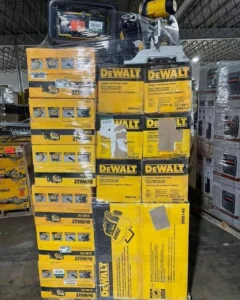
If you’re looking for an affordable way to expand your resale business, Footwear Pallets can provide access to large quantities of shoes at wholesale and liquidation prices. From sneakers and casual footwear to boots, sandals, athletic shoes, and other popular styles, footwear liquidation pallets can give retailers, online sellers, flea market vendors, and entrepreneurs an opportunity to purchase inventory in bulk without paying traditional retail prices.
Buying shoes individually can quickly reduce your profit margins, especially when you’re trying to build a large inventory. Wholesale footwear pallets offer a different approach: instead of purchasing individual pairs at retail or standard wholesale prices, you can acquire bulk footwear inventory at significantly reduced liquidation prices.
At Uptown Liquidation, our goal is to make it easier for businesses and resellers to find liquidation pallets for sale, wholesale products, overstock inventory, and other discounted merchandise suitable for resale.
Whether you’re an established retailer or just starting your resale business, footwear pallets can be a practical way to source inventory while keeping your acquisition costs under control.
What Are Footwear Pallets?
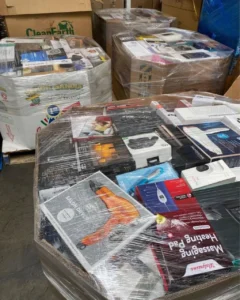
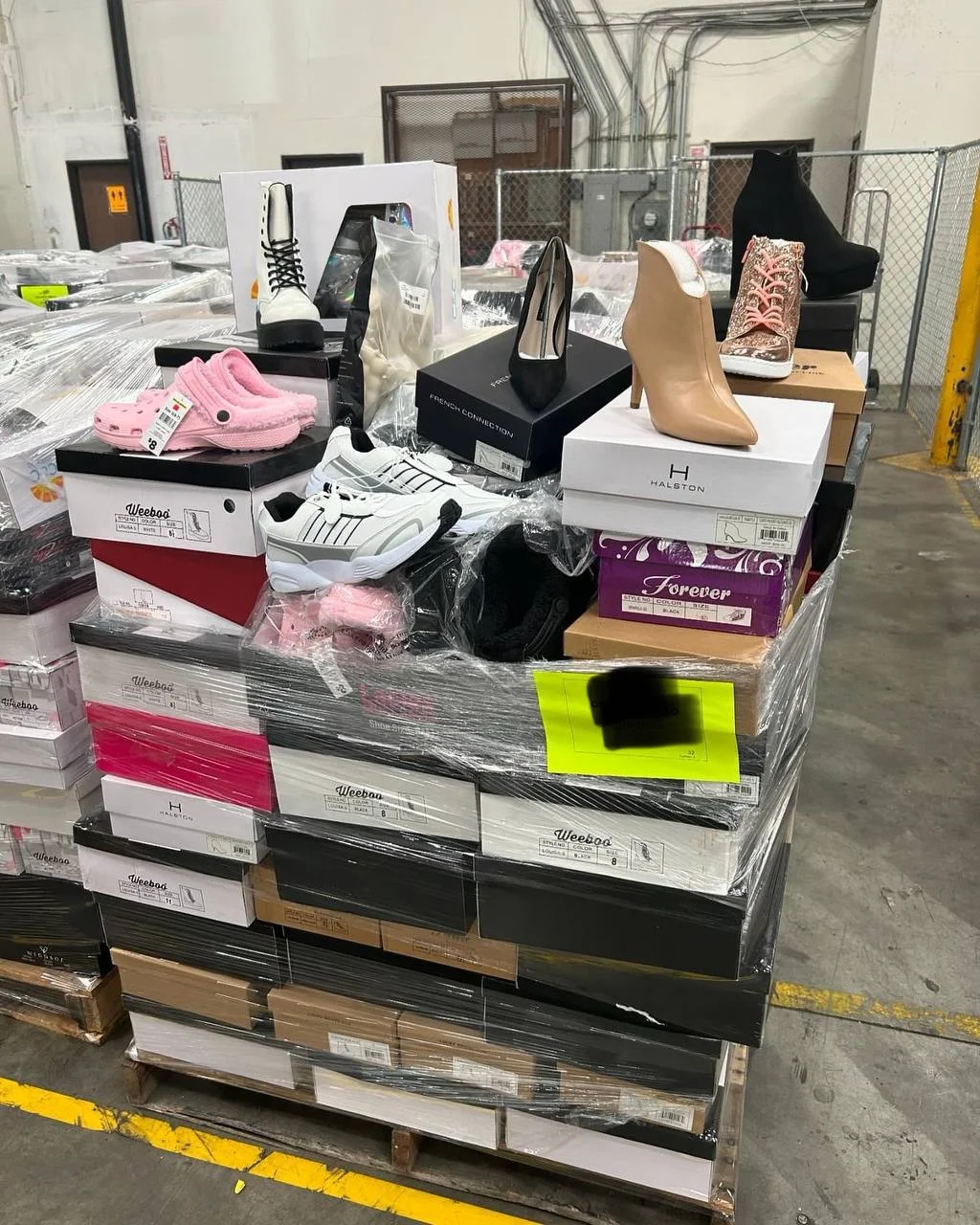
Footwear pallets are bulk shipments of shoes and other footwear products that are packaged and sold together, typically on pallets or in large wholesale lots. Depending on the source, these pallets may contain overstock, shelf pulls, discontinued products, excess inventory, customer returns, or other liquidation merchandise.
Instead of purchasing hundreds of individual pairs separately, buyers can purchase a consolidated pallet containing multiple footwear products.
The exact contents of a footwear liquidation pallet can vary. A pallet may include different brands, styles, sizes, colors, and categories of shoes. This variety can be especially useful for resellers who want to offer customers a broad selection.
Common footwear found in wholesale liquidation inventory may include:
- Sneakers
- Athletic shoes
- Casual shoes
- Boots
- Sandals
- Flats
- Dress shoes
- Work shoes
- Children’s footwear
- Seasonal footwear
- Slippers
- Fashion footwear
Because liquidation inventory changes frequently, the available selection can vary from one pallet or shipment to another.
Why Buy Wholesale Shoes in Bulk?
One of the biggest advantages of buying wholesale shoes in bulk is the potential to acquire inventory at a lower cost per unit.
For a reseller, purchasing inventory at the right price is essential. The lower your acquisition cost, the more flexibility you may have when setting resale prices.
For example, a retailer may purchase a footwear pallet containing multiple pairs at a discounted bulk price and then sell individual pairs through an online store, marketplace, physical shop, pop-up market, or local sales channel.
This creates several potential benefits:
Lower Inventory Costs
Liquidation footwear can be priced below conventional retail prices because the merchandise is often sourced from excess inventory, overstock, shelf pulls, or other liquidation channels.
More Products for Your Business
Buying by the pallet allows you to obtain a substantial quantity of inventory in one purchase rather than sourcing individual products one at a time.
Greater Product Variety
Many footwear pallets can contain a mixture of styles and categories. A diverse inventory can help sellers appeal to different customers.
Resale Opportunities
Shoes are everyday consumer products with a wide range of potential customers. Depending on the products included, footwear inventory can be sold through online marketplaces, websites, social media, local stores, flea markets, and other sales channels.
Footwear Liquidation Pallets for Resellers
For entrepreneurs, footwear liquidation pallets can be an interesting inventory sourcing option.
Online resellers often need products that they can acquire at competitive prices and list individually for sale. Buying liquidation inventory in bulk can help simplify the sourcing process and provide a larger inventory base.
A footwear pallet may be particularly suitable for:
- Online shoe sellers
- Boutique owners
- Discount retailers
- Flea market vendors
- E-commerce businesses
- Marketplace sellers
- Local entrepreneurs
- Pop-up shops
- Shoe stores
- Wholesale distributors
- New resale businesses
The key is to understand the type of inventory you’re purchasing and choose products that match your target customers.
Types of Wholesale Footwear You May Find
The contents of a wholesale footwear pallet can vary based on availability and liquidation source. However, buyers may encounter several popular categories.
Wholesale Sneakers
Sneakers are among the most recognizable footwear categories and can appeal to customers looking for everyday, athletic, casual, or fashion footwear.
Wholesale Boots
Boots can include seasonal, work, fashion, casual, and outdoor styles. Depending on the season and inventory, boots can provide opportunities for retailers targeting customers who need durable or fashionable footwear.
Wholesale Sandals
Sandals are particularly relevant during warmer seasons and can be a useful addition to summer-oriented inventory.
Athletic Footwear
Running shoes, training shoes, walking shoes, and other athletic footwear may appeal to customers interested in fitness, sports, and everyday comfort.
Casual Shoes
Casual footwear can provide an alternative to specialized athletic or formal shoes and may be suitable for everyday customers.
The exact selection depends on the pallet and current liquidation inventory.
Why Liquidation Prices Can Be Attractive
One of the reasons businesses purchase liquidation inventory is the potential for substantial discounts compared with traditional retail pricing.
Liquidation prices can make it possible for resellers to purchase inventory at a lower upfront cost. This can be particularly important for small businesses that need to manage cash flow carefully.
Rather than investing heavily in a small number of expensive products, a reseller may choose to purchase bulk inventory at a discounted price and distribute that inventory across multiple sales channels.
However, buyers should always evaluate the total cost of the pallet, including shipping and other applicable expenses, before determining potential profitability.
Footwear Overstock and Shelf Pulls
A significant portion of liquidation inventory can come from overstock and shelf pulls.
Overstock refers to merchandise that a retailer has more of than it currently needs. This can happen because of changes in customer demand, seasonal transitions, purchasing decisions, or excess inventory.
Shelf pulls are products removed from retail shelves or sales floors. Depending on the inventory source, shelf-pull merchandise can range from new and unused products to items that may show minor signs of handling.
This is why buyers should carefully review the available product information before purchasing.
Customer Returns and Liquidation Footwear
Some liquidation footwear may originate from customer returns.
Customer-return inventory can vary significantly. Some returned products may be unused, while others may have been tried on or handled by customers.
For this reason, buyers should understand the condition category associated with a pallet before making a purchase.
When you’re sourcing wholesale shoes for resale, knowing whether you’re purchasing new, overstock, shelf-pull, or customer-return inventory can help you make a more informed buying decision.
How to Start a Footwear Resale Business
Starting a shoe resale business doesn’t necessarily require a traditional storefront. Today, entrepreneurs can sell footwear through a variety of channels.
1. Choose Your Target Customer
First, determine who you want to sell to. Your customers could be interested in athletic shoes, casual footwear, fashion shoes, children’s footwear, boots, or other categories.
2. Find Wholesale Footwear Inventory
Look for reputable sources offering footwear pallets for sale and other wholesale liquidation products.
Compare available inventory, pricing, condition, shipping information, and product descriptions before purchasing.
3. Calculate Your Total Cost
Don’t focus solely on the pallet purchase price. Consider shipping, marketplace fees, storage, packaging, and other business expenses.
4. Select Your Sales Channels
You can potentially sell footwear through:
- Your own e-commerce website
- Online marketplaces
- Social media
- Local markets
- Flea markets
- Pop-up shops
- Physical retail stores
5. Photograph and List Your Products
High-quality photos and accurate product descriptions can help customers understand exactly what they’re purchasing.
6. Track Your Sales
Keep records of purchase costs, selling prices, expenses, and inventory. This can help you identify which footwear categories generate the best results for your business.
How to Choose the Right Footwear Pallet
Not every pallet will be right for every reseller. Before purchasing, consider several important factors.
Product Condition
Find out whether the inventory is new, overstock, shelf pulls, customer returns, or a combination.
Product Mix
Review the available information about styles, categories, sizes, brands, and quantities.
Quantity
Consider how much inventory your business can realistically store and sell.
Price
Compare the total acquisition cost against your expected resale prices.
Shipping
Shipping can have a meaningful impact on the final cost of a pallet, so always consider it when calculating your potential margins.
Customer Demand
Think about what your target customers are actually looking for. A pallet may be inexpensive, but it still needs to contain products that fit your market.
Benefits of Buying Footwear Pallets for Your Business
Purchasing liquidation footwear can provide several potential advantages for businesses that have an established resale strategy.
Bulk purchasing: Obtain many products through one transaction.
Reduced acquisition costs: Liquidation pricing may provide lower costs compared with standard retail purchasing.
Inventory variety: Mixed footwear inventory can give sellers multiple product categories to offer.
Flexible sales channels: Shoes can potentially be sold online, locally, or through physical retail.
Business scalability: Bulk inventory sourcing can help established resellers expand their product selection.
Who Can Buy Footwear Liquidation Pallets?
You don’t necessarily need to operate a large retail store to benefit from wholesale footwear inventory.
Footwear pallets can be considered by:
- Small business owners
- Online entrepreneurs
- E-commerce sellers
- Retail stores
- Discount stores
- Shoe boutiques
- Marketplace sellers
- Flea market vendors
- Wholesale buyers
- Resellers
For new sellers, starting with a manageable amount of inventory can make it easier to learn the market before scaling up.
How to Make Money Reselling Wholesale Shoes
Buying the pallet is only the first step. Your ability to generate a profit depends on how effectively you manage and sell the inventory.
Start by organizing the footwear by category, size, style, and condition. Take clear photographs and write accurate descriptions.
Research comparable selling prices before listing products. Don’t assume that every pair in a pallet should have the same price.
Some products may sell quickly at competitive prices, while others may require discounts or bundling.
You can also experiment with different sales channels. A product that performs slowly on one platform may attract more interest through a local market or another marketplace.
Most importantly, keep accurate records so you know your actual cost and profitability.
Why Choose Uptown Liquidation?
At Uptown Liquidation, we focus on helping businesses and entrepreneurs access wholesale liquidation pallets, liquidation inventory, overstock merchandise, shelf pulls, customer returns, and other wholesale products.
Our inventory is designed for buyers looking for opportunities to source merchandise in bulk and build or expand their resale business.
If you’re searching for liquidation pallets for sale, wholesale pallets, or discounted inventory, exploring current availability can help you identify products that fit your business model.
Whether you’re interested in footwear, electronics, general merchandise, or other liquidation products, buying wholesale can provide an alternative way to source inventory at competitive prices.
Start Sourcing Footwear Pallets Today
Finding affordable inventory is one of the most important parts of building a successful resale business. Footwear pallets can give retailers and entrepreneurs access to bulk shoes at liquidation prices while providing a variety of products to sell across different channels.
From sneakers and boots to sandals, casual shoes, athletic footwear, and more, wholesale footwear can provide opportunities for businesses looking to expand their inventory.
Before buying, always review the pallet’s product mix, condition, quantity, pricing, and shipping costs. A well-researched purchase can help you make better inventory decisions and build a more sustainable resale operation.
If you’re ready to explore affordable wholesale inventory, check out the available footwear pallets and other liquidation products from Uptown Liquidation.
Frequently Asked Questions About Footwear Pallets
What are footwear pallets?
Footwear pallets are bulk quantities of shoes packaged and sold together as liquidation or wholesale inventory. They may contain sneakers, boots, sandals, athletic shoes, casual footwear, and other shoe categories.
Are footwear pallets good for reselling?
Yes. Footwear pallets can be an option for resellers because they allow businesses to purchase multiple pairs at bulk or liquidation prices and sell them individually through various sales channels.
What types of shoes are included in footwear pallets?
The selection varies by pallet. Depending on availability, footwear pallets may include sneakers, boots, sandals, athletic shoes, casual footwear, dress shoes, children’s shoes, and seasonal products.
Are liquidation shoes new?
It depends on the specific pallet. Liquidation inventory can include overstock, shelf pulls, new merchandise, and customer returns. Always check the product description and stated condition before purchasing.
Can I buy wholesale shoes in bulk for an online store?
Yes. Wholesale footwear can be used by online sellers who want to build inventory for their e-commerce websites, marketplaces, and social media stores.
Are footwear pallets profitable?
Profitability depends on several factors, including the purchase price, product mix, condition, shipping costs, selling prices, marketplace fees, and demand. Buyers should calculate their total costs before purchasing.
Where can I sell shoes purchased from a liquidation pallet?
Depending on your business model, you may sell shoes through your own website, online marketplaces, social media, flea markets, pop-up stores, local retail locations, or other sales channels.
How do I choose the best footwear pallet?
Consider the pallet’s condition, quantity, product categories, sizes, brands if provided, purchase price, shipping costs, and your target customer’s preferences. Choosing inventory that matches your market is essential.
Can small businesses buy footwear pallets?
Yes. Small businesses and independent resellers can use wholesale footwear pallets to build inventory without necessarily purchasing individual products at retail prices.
Why buy liquidation footwear instead of retail shoes?
The primary attraction is the potential for lower acquisition costs. Liquidation footwear may be available at discounted prices, allowing resellers to source larger quantities of inventory while managing their purchasing budget.