
Makeup Liquidation Pallets: Buy Wholesale Makeup & Beauty Inventory
Are you looking for an affordable way to expand your beauty business, increase your product selection, or start a profitable resale venture? Makeup Liquidation Pallets offer an opportunity to purchase assorted cosmetics, skincare products, and beauty essentials in bulk at wholesale liquidation prices. Whether you operate an online beauty store, sell on marketplaces, manage a discount shop, or run a local cosmetics business, liquidation inventory can help you source a diverse range of products without purchasing every item individually.
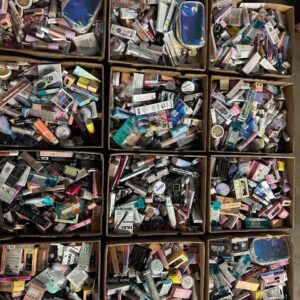
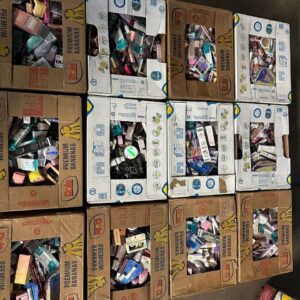
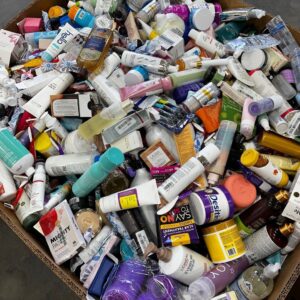
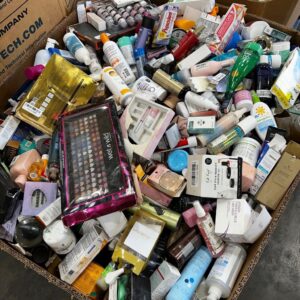
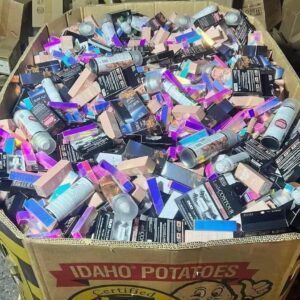
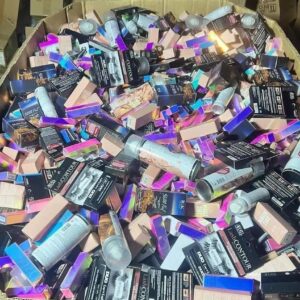
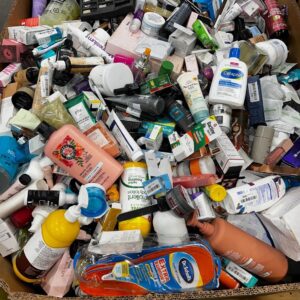
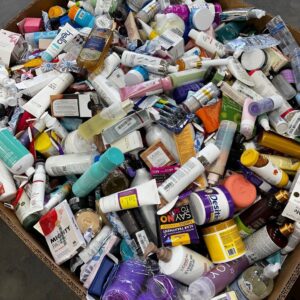
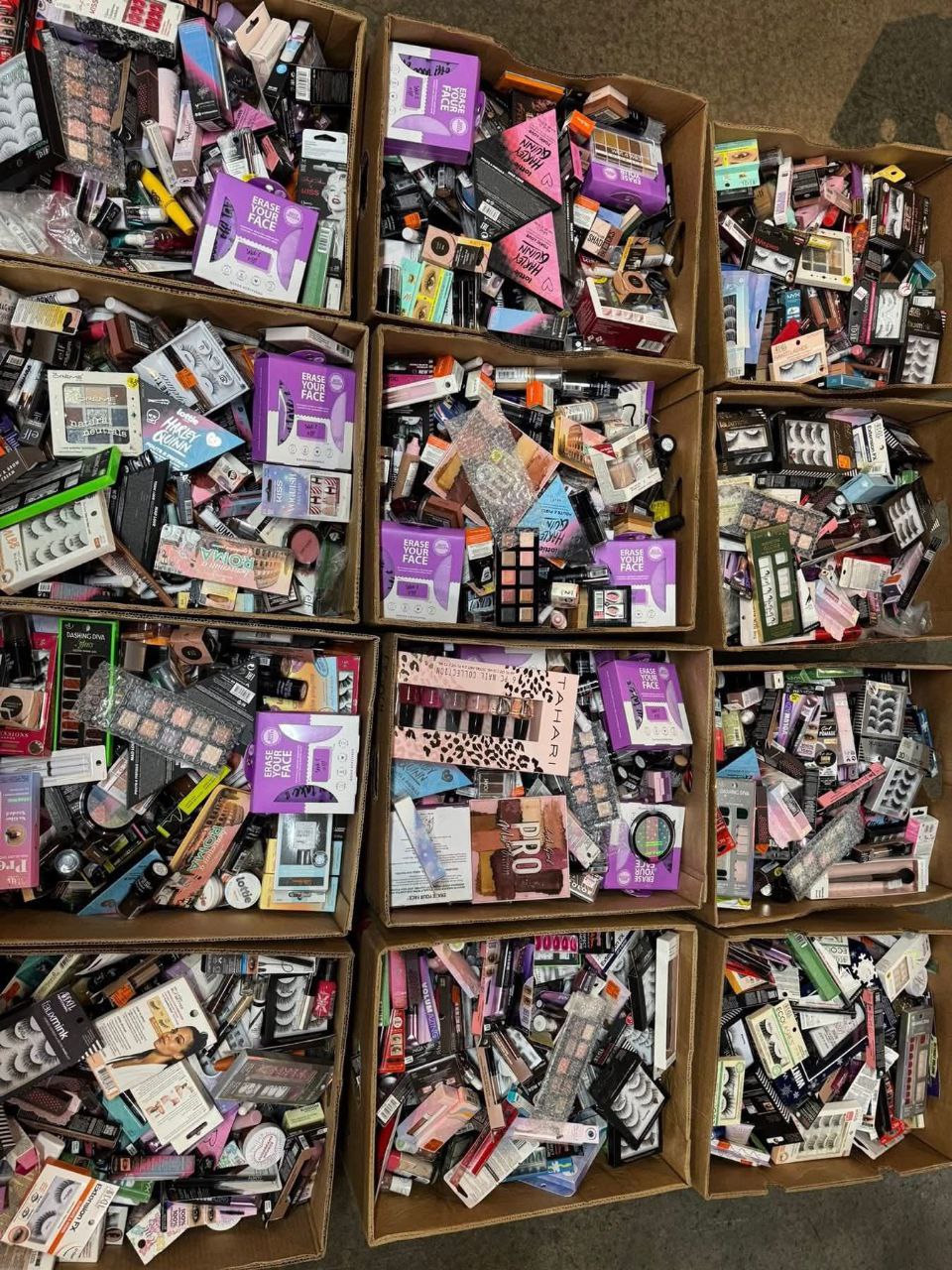
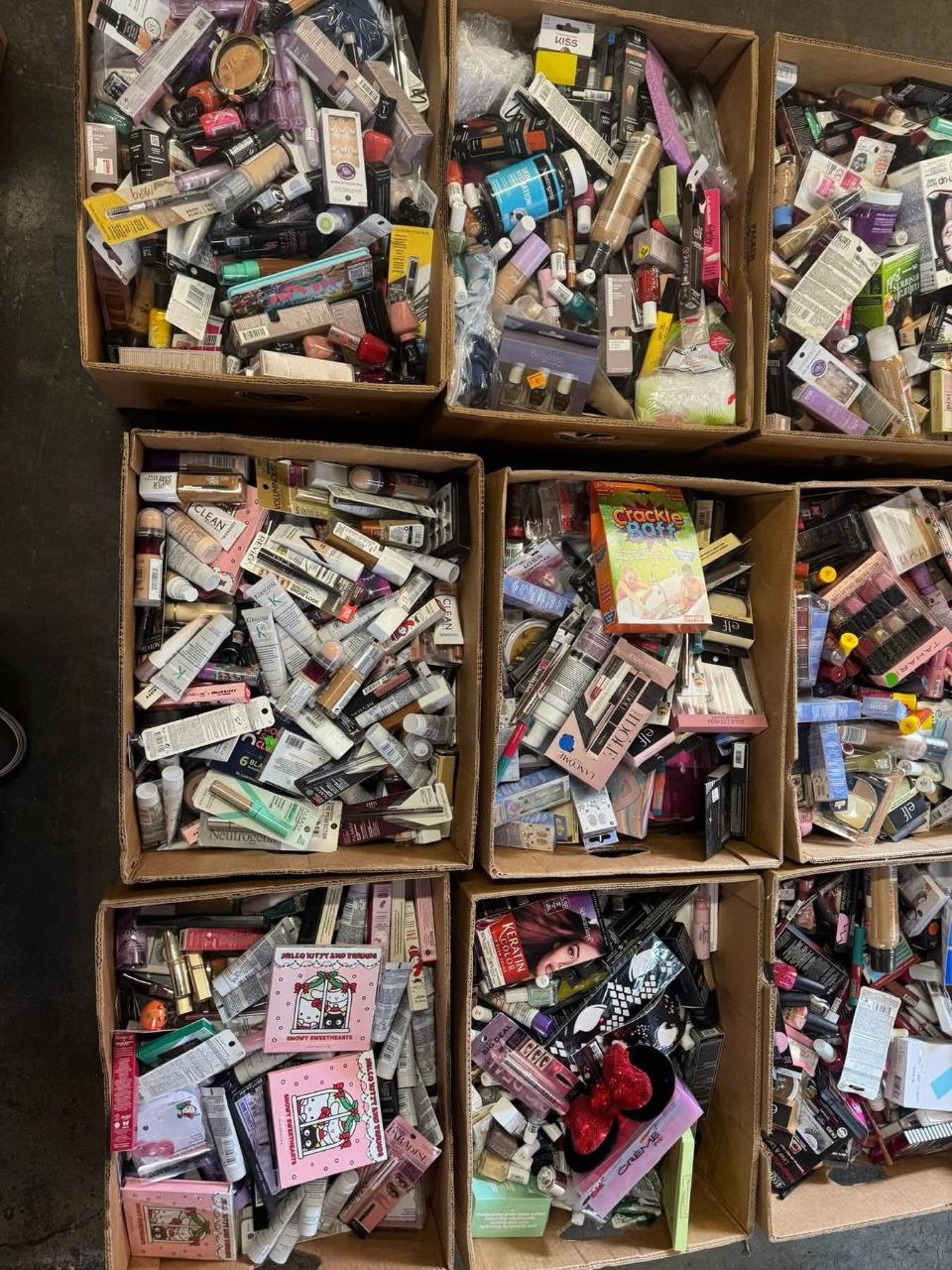
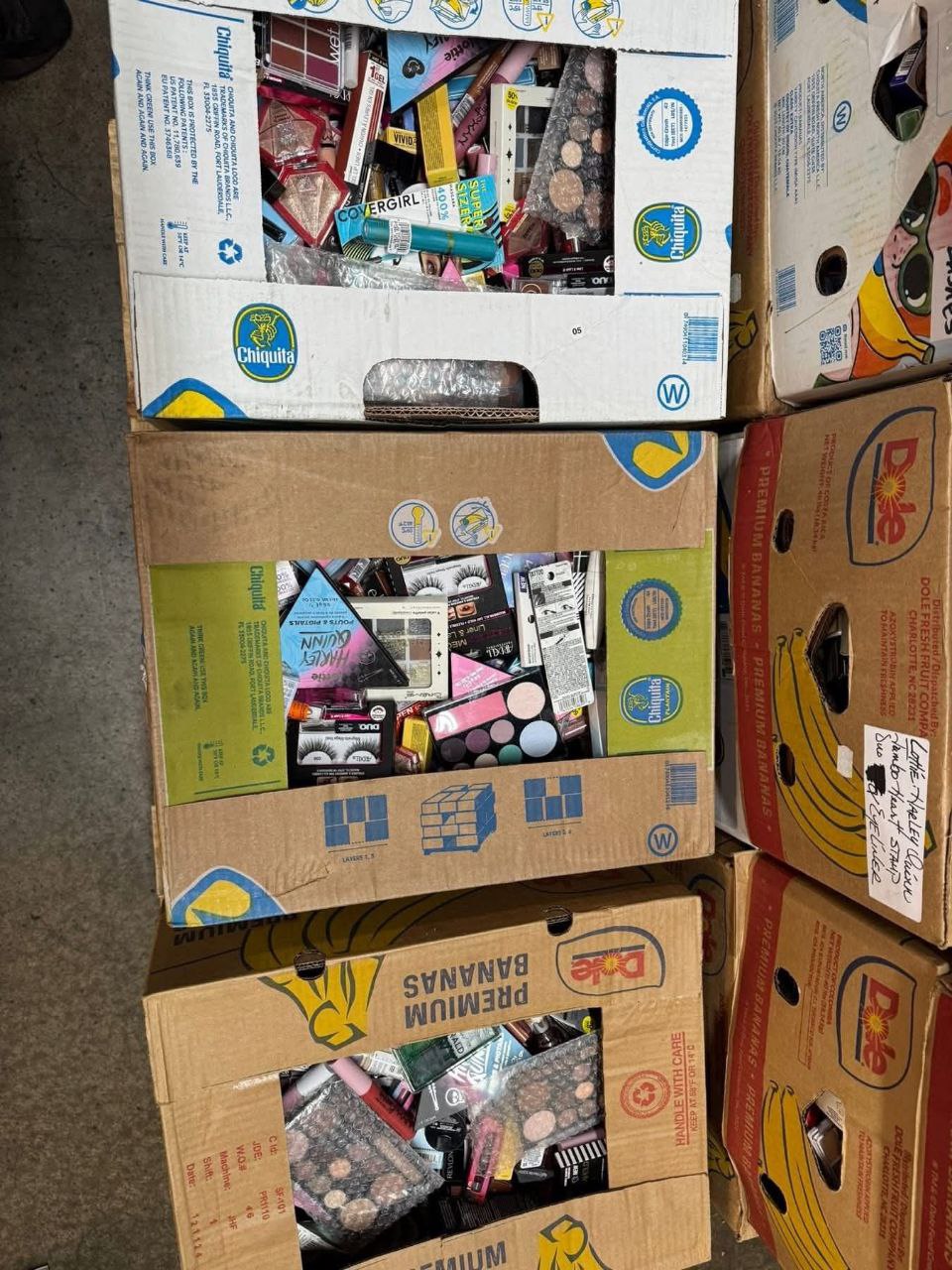
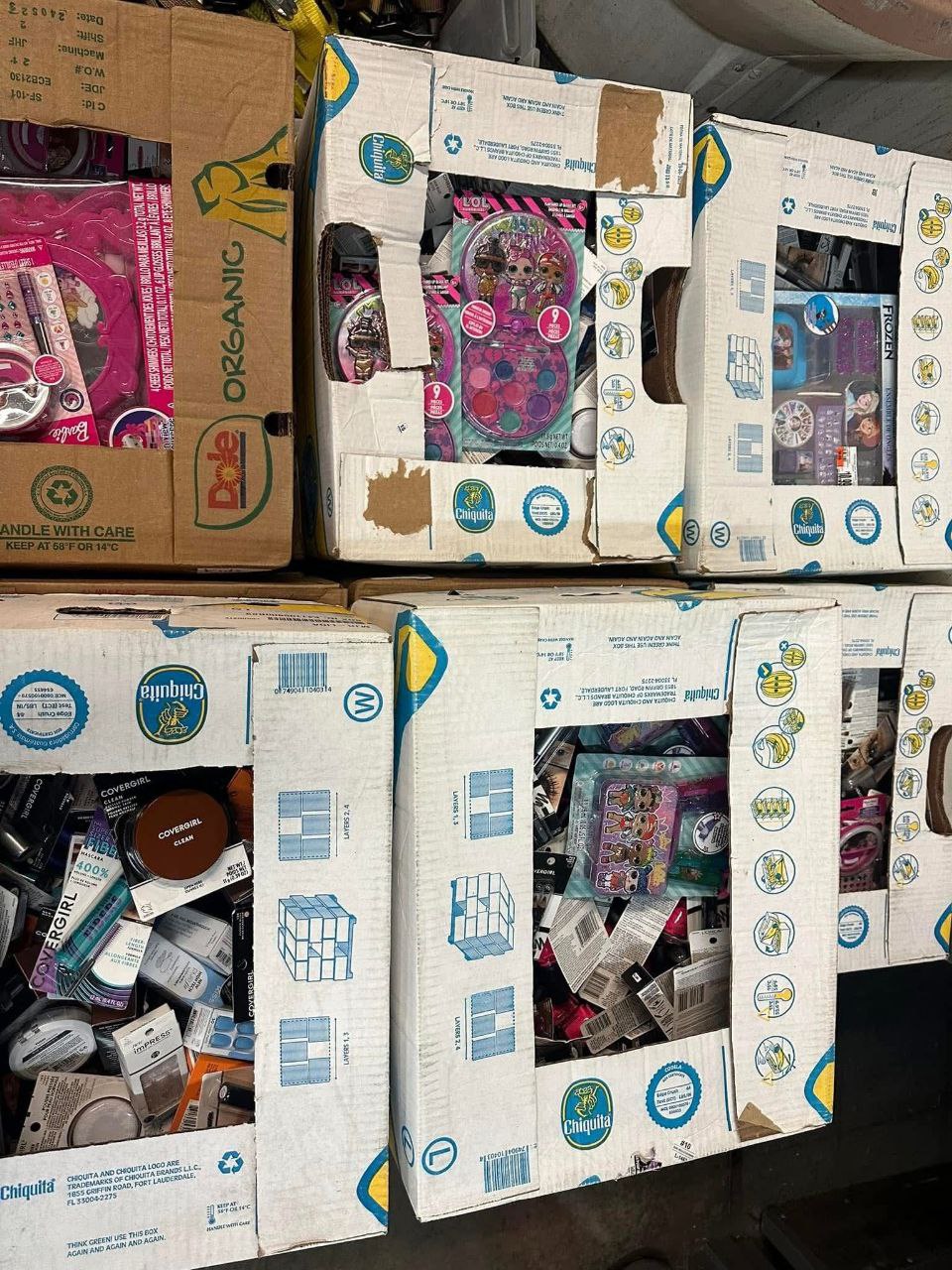
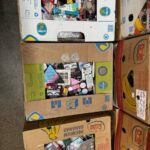
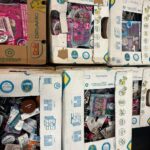
Our makeup and beauty liquidation pallets feature a mixture of overstock merchandise, shelf-pulls, and customer returns sourced through major retail channels. Each pallet may contain hundreds of assorted products, including makeup essentials, complexion products, eye cosmetics, lip products, skincare items, and other beauty accessories, depending on inventory availability.
With approximately 200–500+ assorted cosmetics and skincare items per pallet, these wholesale lots give resellers the opportunity to expand their inventory, test new product categories, and serve customers with different beauty preferences.
Whether you are an established beauty retailer or a new entrepreneur exploring wholesale liquidation, understanding how makeup liquidation pallets work can help you make informed purchasing decisions and build a more flexible inventory strategy.
What Are Makeup Liquidation Pallets?
Makeup liquidation pallets are bulk lots of cosmetics and beauty products sold together at liquidation prices. These lots typically include merchandise that retailers, distributors, or liquidation suppliers need to move because of excess inventory, seasonal changes, packaging updates, shelf-pulls, or customer returns.
Instead of purchasing individual makeup products at standard wholesale prices, buyers acquire a larger assortment in one transaction. The exact contents vary by pallet, making each lot a potential source of different products, brands, categories, and resale opportunities.
Depending on the available inventory, a makeup liquidation pallet may contain:
-
Foundation, concealer, powder, and other complexion products
-
Lipsticks, lip glosses, lip liners, and lip balms
-
Eyeshadow palettes, eyeliners, and mascaras
-
Blush, bronzer, highlighter, and contour products
-
Makeup brushes, sponges, and beauty accessories
-
Facial cleansers, moisturizers, and skincare products
-
Serums, masks, and other beauty essentials
-
Assorted cosmetics from overstock and shelf-pull inventory
The contents of each pallet are not necessarily identical. Product quantities, brands, shades, packaging conditions, and retail values may differ depending on the specific lot.
For resellers, this variety creates an opportunity to develop different product bundles, stock multiple beauty categories, and offer customers a broader selection of affordable cosmetics.
Makeup Liquidation Pallets Product Specifications
Before purchasing wholesale liquidation inventory, it is important to understand the general condition, quantity, and sourcing information associated with each lot.
|
Specification |
Details |
|---|---|
|
Product Name |
Makeup Liquidation Pallets |
|
Seller |
Verified Makeup & Beauty Liquidation Supplier |
|
Inventory Source |
Retail overstock, shelf-pulls, and customer returns |
|
Product Condition |
Mixed condition |
|
New Merchandise |
Approximately 70% |
|
Like-New/Shelf-Pulls |
Approximately 25% |
|
Customer Returns |
Approximately 5% |
|
Items per Pallet |
Approximately 200–500+ assorted items |
|
Product Categories |
Makeup, cosmetics, skincare, and beauty accessories |
|
Distribution Agreement |
Not required for purchase, subject to applicable brand and marketplace restrictions |
|
Reseller Certificate |
Often recommended; requirements vary by jurisdiction |
|
Intended Buyers |
Retailers, online sellers, discount stores, and beauty resellers |
Important: The percentages above represent the stated inventory composition and should be treated as estimates unless confirmed for a specific pallet. Actual quantities, product conditions, and resale suitability may vary by lot.
Why Buy Makeup Liquidation Pallets?
1. Access Wholesale Beauty Products in Bulk
Buying makeup liquidation pallets allows businesses to acquire a large assortment of cosmetics through a single bulk purchase. This approach can reduce the time spent sourcing individual products from multiple suppliers.
For retailers, bulk purchasing can support inventory expansion, promotional campaigns, discount sales, and seasonal product offerings.
Instead of stocking only one category of makeup, a mixed liquidation pallet may provide access to complexion products, eye makeup, lip cosmetics, skincare, and beauty accessories.
This variety can be particularly useful for stores that want to attract customers with different needs and budgets.
2. Explore Affordable Inventory Sourcing
One of the main reasons resellers consider wholesale makeup liquidation is the potential to acquire inventory at prices below conventional retail levels.
Liquidation merchandise is often sold in bulk because suppliers need to move excess stock, shelf-pulls, or returned products efficiently. Buyers may benefit from lower acquisition costs, although actual savings depend on the purchase price, shipping expenses, product condition, and the quantity of sellable merchandise.
Before buying, calculate your total landed cost per item rather than relying exclusively on advertised retail values.
Include transportation, sorting, storage, marketplace fees, packaging, and any necessary disposal costs when evaluating a pallet.
3. Expand Your Beauty Product Selection
Beauty customers frequently shop across multiple categories, from everyday makeup essentials to skincare and beauty accessories.
A mixed makeup liquidation pallet can help resellers introduce additional product categories without placing separate orders for every item.
For example, a retailer specializing in lip products may use liquidation inventory to add eye makeup, complexion products, or skincare to its existing selection.
A broader inventory can also provide opportunities to create themed bundles, beauty gift sets, and promotional packages, provided that all included products are authentic, safe, appropriately labeled, and suitable for resale.
4. Find Opportunities in Different Resale Channels
Makeup liquidation inventory can be suitable for several sales channels, depending on product condition, brand restrictions, local regulations, and marketplace requirements.
Potential resale channels include:
-
Independent beauty supply stores
-
Online cosmetics shops
-
E-commerce websites
-
Discount retail stores
-
Beauty boutiques
-
Local markets and retail stalls
-
Social commerce platforms
-
Wholesale resale to smaller retailers
Some sellers specialize in unopened cosmetics, while others focus on accessories, skincare, or discounted beauty bundles.
Choosing a sales channel before purchasing can help you select pallets that match your customers’ preferences and your operational capabilities.
What’s Inside a Makeup Liquidation Pallet?
Every liquidation lot can differ, but makeup and beauty pallets generally include a combination of products from several categories.
Face Makeup
Face makeup may include foundations, concealers, pressed powders, loose powders, primers, blushes, bronzers, highlighters, and contour products.
These items can appeal to customers looking for everyday makeup essentials, professional beauty products, or affordable alternatives for their regular routines.
However, shade selection is an important consideration. Products in uncommon shades may require more time to sell, so buyers should assess the assortment carefully whenever a manifest or sample inventory list is available.
Eye Makeup
Eye makeup can include eyeshadow palettes, eyeliners, mascaras, brow products, and other eye-enhancing cosmetics.
These products can complement face and lip makeup offerings, allowing retailers to build a more complete beauty selection.
Before listing any eye cosmetics for sale, inspect seals, packaging integrity, expiration information where applicable, and any signs of contamination or tampering.
Lip Products
Depending on the available inventory, pallets may contain lipsticks, lip glosses, lip liners, lip balms, and related products.
Lip cosmetics can be offered individually or incorporated into curated beauty bundles when the items are unopened, authentic, and suitable for resale.
Products showing signs of use or contamination should not be sold.
Skincare and Beauty Essentials
Some makeup liquidation pallets include skincare products such as facial cleansers, moisturizers, serums, masks, and other personal care items.
These products can help retailers expand beyond decorative cosmetics into complementary beauty categories.
As with makeup, inspect seals, ingredient labels, product dates, and packaging before offering skincare items to customers.
Makeup Tools and Accessories
Brushes, sponges, applicators, cosmetic bags, and other beauty accessories may also appear in assorted lots.
Accessories can provide additional resale options because some products do not involve the same shade-selection challenges as complexion cosmetics.
However, the precise product mix depends on the supplier’s available inventory. Buyers should not assume that every pallet includes all the categories listed above.
Understanding Product Conditions: New, Shelf-Pulls, and Customer Returns
One of the most important considerations when purchasing makeup liquidation pallets is the condition of the merchandise.
The stated inventory composition is approximately 70% new merchandise, 25% like-new or shelf-pulls, and 5% customer returns. Understanding these categories helps buyers plan inspections, sorting, and resale procedures.
New Products – Approximately 70%
New merchandise generally refers to products that have not been used and remain in their original packaging.
These items may be suitable for resale after authenticity, labeling, packaging integrity, and applicable product requirements have been verified.
Not every item described as new should automatically be assumed to have intact seals or complete packaging, so inspection remains important.
Like-New Products and Shelf-Pulls – Approximately 25%
Shelf-pulls are products removed from retail shelves, often because of inventory changes, packaging updates, discontinued assortments, or other retail decisions.
They may be unused and in good condition, but outer packaging can show handling marks, minor cosmetic damage, missing display packaging, or labeling changes.
Inspect each item carefully before listing it as new or like-new. Product descriptions should accurately reflect the condition customers will receive.
Customer Returns – Approximately 5%
Customer returns may include unopened products, damaged packaging, incomplete sets, or merchandise whose condition cannot be established without inspection.
Cosmetics and skincare products require particular care because contamination or tampering may not always be visible.
Do not resell opened, used, contaminated, or otherwise unsuitable cosmetic products. Returned products should be segregated and assessed under applicable safety and resale requirements.
The stated 5% return composition should not be interpreted as a guarantee that every return is safe or suitable for resale.
Who Should Buy Wholesale Makeup Liquidation Pallets?
Makeup liquidation pallets can serve several types of businesses.
Beauty retailers: Established stores can use bulk liquidation inventory to introduce new product categories, supplement existing stock, or develop promotional offers.
Online sellers: E-commerce businesses may sort inventory into individual listings, curated bundles, or category-specific lots, subject to platform requirements.
Discount stores: Retailers focused on value-conscious shoppers may use eligible liquidation merchandise to offer lower-priced beauty products.
Beauty entrepreneurs: New sellers can explore different product categories without sourcing every item individually, although the initial investment and inspection workload should be considered carefully.
Wholesale resellers: Buyers with sufficient storage, sorting capacity, and distribution channels may separate large lots into smaller quantities for resale to other businesses.
Your ideal pallet will depend on your target customers, available storage, selling channels, budget, and ability to inspect and process mixed-condition merchandise.
How to Choose the Right Makeup Liquidation Pallet
Not all liquidation pallets offer the same resale opportunities. A careful purchasing process can help you reduce uncertainty and avoid unexpected costs.
1. Review the Manifest, If Available
A manifest is an inventory list describing some or all of the products in a liquidation lot.
When available, review product names, quantities, brands, estimated values, and condition information. Ask whether the manifest is guaranteed or simply an indicative list.
Unmanifested pallets may provide less visibility into the exact contents, making them more difficult to evaluate before purchase.
2. Check the Condition Breakdown
Confirm the expected proportion of new products, shelf-pulls, and customer returns.
Ask how the supplier classifies each condition and whether the stated percentages apply to the number of items, the value of the inventory, or another measurement.
This distinction matters because a percentage based on item count does not necessarily correspond to the same percentage of resale value.
3. Calculate Your Total Costs
Consider the pallet purchase price, freight, taxes, import duties where applicable, storage, inspection labor, packaging, marketplace fees, and unsellable merchandise.
Estimating your total cost before buying can help you determine the selling prices needed to cover expenses.
Avoid assuming that a pallet’s advertised retail value represents its actual resale value.
4. Verify Supplier Information
Review supplier business details, purchasing terms, shipping policies, condition descriptions, and return or dispute procedures.
If possible, request references, transaction records, or other reasonable evidence of business legitimacy.
Clarify whether shipping is included, how damage during transit is handled, and whether the supplier offers manifests or photographs of the specific lot.
5. Check Brand and Marketplace Restrictions
Certain brands and sales platforms may impose restrictions on resale, product condition, documentation, or the use of brand names and images.
Confirm that the products can be sold through your intended channel before making a large purchase.
A distribution agreement may not be required to purchase a liquidation pallet, but that does not automatically authorize every form of resale or use of a brand’s intellectual property.
How to Resell Makeup Liquidation Pallets
After receiving a pallet, establish a process for inspecting, organizing, pricing, and listing the merchandise.
Step 1: Sort the inventory. Separate products by category, brand, condition, and other useful characteristics.
Step 2: Inspect every item. Check packaging integrity, seals, authenticity indicators, labeling, applicable dates, and signs of tampering or damage.
Step 3: Separate unsuitable merchandise. Remove opened, used, contaminated, expired where relevant, recalled, or otherwise noncompliant products from resale inventory.
Step 4: Research selling prices. Compare current prices for comparable products in similar condition. Avoid relying exclusively on manufacturer’s suggested retail prices or estimated retail values printed on liquidation listings.
Step 5: Prepare accurate listings. Include product names, shades, sizes, condition details, photographs, and relevant ingredient or safety information where required.
Step 6: Choose an appropriate selling format. Sell eligible items individually, in category bundles, or through wholesale lots depending on demand and your business model.
Step 7: Track inventory performance. Record acquisition costs, selling prices, fees, returns, and remaining stock. These figures can help you evaluate future purchases.
A consistent inventory management process can make liquidation resale more predictable and help you identify which beauty categories suit your customers.
Are Makeup Liquidation Pallets Profitable?
Makeup liquidation pallets can create resale opportunities, but profitability is not guaranteed.
Your results depend on the purchase price, product mix, authenticity, condition, customer demand, shipping costs, sell-through rate, and the amount of labor needed to prepare items for sale.
A pallet containing many popular, unopened products may present different opportunities from one containing discontinued shades, damaged packaging, or difficult-to-sell assortments.
Before buying, estimate the expected revenue from products you realistically believe you can sell. Then subtract all acquisition, transportation, processing, storage, selling, and disposal expenses.
Consider the time needed to sell the inventory as well. A product that eventually sells at a high margin may still tie up working capital for months.
Starting with a manageable quantity, tracking actual sales, and reviewing supplier consistency can help you develop a purchasing strategy based on real business results rather than assumptions.
Important Safety and Compliance Considerations
Cosmetics require more careful handling than many other liquidation product categories because products may be applied directly to the skin, lips, or eyes.
Before reselling makeup and skincare merchandise:
-
Verify product authenticity and legitimate sourcing.
-
Check packaging seals and signs of tampering.
-
Inspect labels, ingredients, and required product information.
-
Follow applicable cosmetic safety and labeling regulations.
-
Confirm that products are permitted on your intended marketplace.
-
Avoid reselling used, contaminated, recalled, or unsuitable products.
-
Follow relevant storage, transportation, and disposal requirements.
For international buyers, additional customs, import, labeling, and product registration requirements may apply.
A reseller certificate may be useful or required depending on your location, business structure, and tax rules. Likewise, the absence of a distribution agreement requirement does not eliminate other legal, safety, or marketplace obligations.
Why Consider Our Makeup Liquidation Pallets?
Our makeup liquidation inventory is intended for buyers seeking assorted cosmetics and skincare products in bulk.
With an indicated assortment of approximately 200–500+ items per pallet, these lots can provide a starting point for retailers and resellers looking to explore different beauty categories.
The stated sourcing mix includes overstock, shelf-pulls, and customer returns from major retail channels, with an estimated composition of 70% new products, 25% like-new or shelf-pull items, and 5% customer returns.
Before placing an order, request confirmation of the current inventory composition, available quantities, shipping charges, product documentation, and whether a manifest is available for your selected lot.
Reviewing these details helps you understand what you are purchasing and whether the inventory aligns with your resale strategy.
Ready to explore makeup liquidation pallets? Review the available wholesale lots, confirm their condition and shipping terms, and choose an assortment that fits your business needs.
Frequently Asked Questions About Makeup Liquidation Pallets
1. What are makeup liquidation pallets?
Makeup liquidation pallets are bulk lots of cosmetics, skincare products, and beauty accessories sold through liquidation channels. They may contain overstock merchandise, shelf-pulls, and customer returns. Buyers typically purchase the assortment together and sort individual items for resale, subject to product condition and applicable requirements.
2. How many items are included in a makeup liquidation pallet?
The stated quantity is approximately 200–500+ assorted makeup and skincare items per pallet. The actual number depends on the specific lot, product sizes, packaging, and available inventory. Confirm the expected quantity with the supplier before ordering.
3. What condition are the products in?
The stated inventory composition is approximately 70% new merchandise, 25% like-new or shelf-pulls, and 5% customer returns. These figures should be confirmed for the specific lot. Individual items may require inspection, and products that are opened, contaminated, or otherwise unsuitable should not be resold.
4. Are makeup liquidation pallets suitable for beginners?
They may suit beginners who want to explore beauty product resale. However, new buyers should consider the upfront investment, shipping expenses, inspection workload, storage requirements, and difficulty of selling certain shades or discontinued products. Starting with a manageable order can help you understand the process before scaling up.
5. Can I resell makeup liquidation products online?
Potentially, yes. Eligible products may be sold through your own website, online marketplaces, or social commerce channels, provided you comply with the relevant platform rules, product safety requirements, brand restrictions, and local regulations. Some platforms require invoices, authenticity documentation, or additional approval for particular brands or categories.
6. Do I need a distribution agreement to buy makeup liquidation pallets?
A distribution agreement is not stated as a requirement for purchasing these pallets. However, the right to purchase liquidation merchandise does not automatically grant authorization to act as an official distributor or use every brand’s intellectual property. Confirm the applicable resale requirements for your products and sales channels.
7. Do I need a reseller certificate?
A reseller certificate may be recommended or required depending on your location and the applicable tax rules. Requirements vary by jurisdiction, so check with the relevant tax authority or a qualified professional before purchasing inventory for resale.
8. Are makeup liquidation pallets profitable?
Profitability depends on the purchase price, sellable inventory, product demand, shipping, processing expenses, marketplace fees, and sales velocity. Estimate your total cost per sellable item and research realistic selling prices before buying. There is no guarantee that a particular pallet will generate a profit.
9. Can I choose the brands included in a pallet?
That depends on the supplier and the specific inventory available. Some liquidation lots may include manifests or category descriptions, while others are sold as mixed assortments. Ask whether brand selection is possible and whether the inventory list represents guaranteed contents or an estimate.
10. Are customer-return cosmetics safe to resell?
Customer-return cosmetics should be evaluated individually. Products that are opened, used, contaminated, tampered with, or otherwise unsuitable should not be resold. Inspect packaging, seals, labels, and applicable product information, and follow all relevant cosmetic safety requirements.
11. What should I check before ordering makeup liquidation pallets?
Review the product condition breakdown, item quantity, available manifest, supplier details, shipping costs, purchasing terms, authenticity documentation, and applicable resale restrictions. Calculate the total landed cost and determine whether the assortment matches your target customers before placing an order.
12. Can I buy makeup liquidation pallets for my physical store and online shop?
Yes, eligible inventory can potentially support both physical and online retail operations. You can organize products by category, condition, shade, or brand and allocate inventory to different sales channels. Ensure that your listings accurately describe the products and meet the requirements of each channel.
Final Thoughts: Explore Makeup Liquidation Pallets for Your Resale Business
Makeup Liquidation Pallets provide a way for beauty retailers, online sellers, discount stores, and entrepreneurs to source assorted cosmetics and skincare products in bulk.
With an indicated assortment of 200–500+ items per pallet and a mix of overstock, shelf-pulls, and customer returns, these lots may offer opportunities to expand your inventory and explore different beauty product categories.
The key to purchasing responsibly is understanding the merchandise condition, verifying supplier information, calculating total costs, and ensuring that every product offered for sale meets applicable safety and resale requirements.
Whether you are building a new beauty business or expanding an existing store, careful sourcing and inventory management can help you make more informed wholesale purchasing decisions.