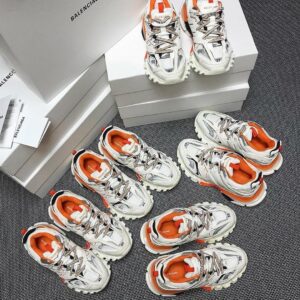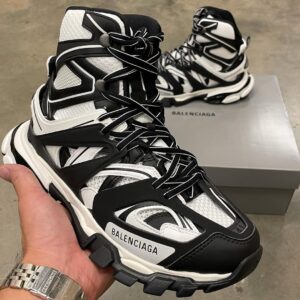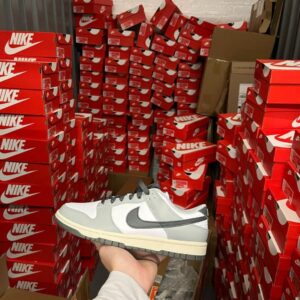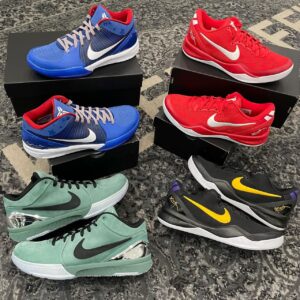
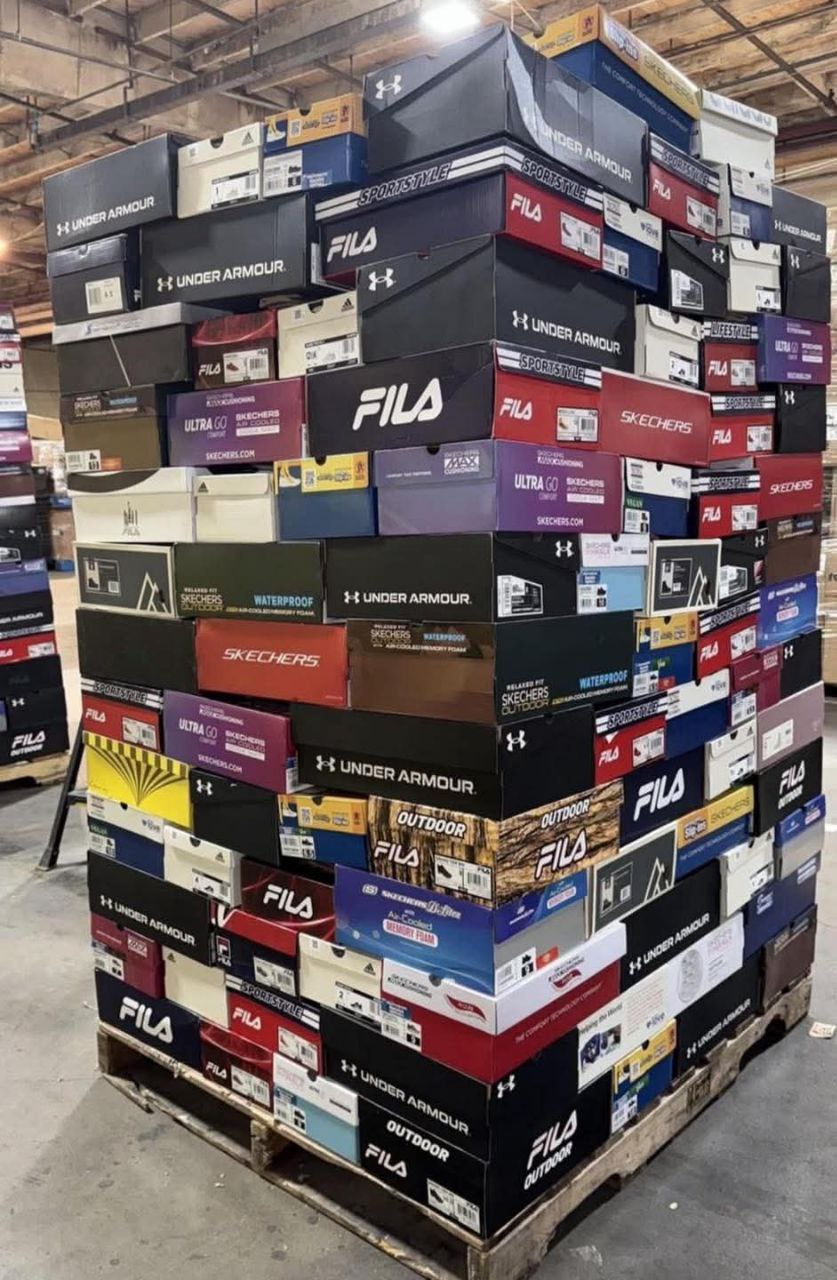
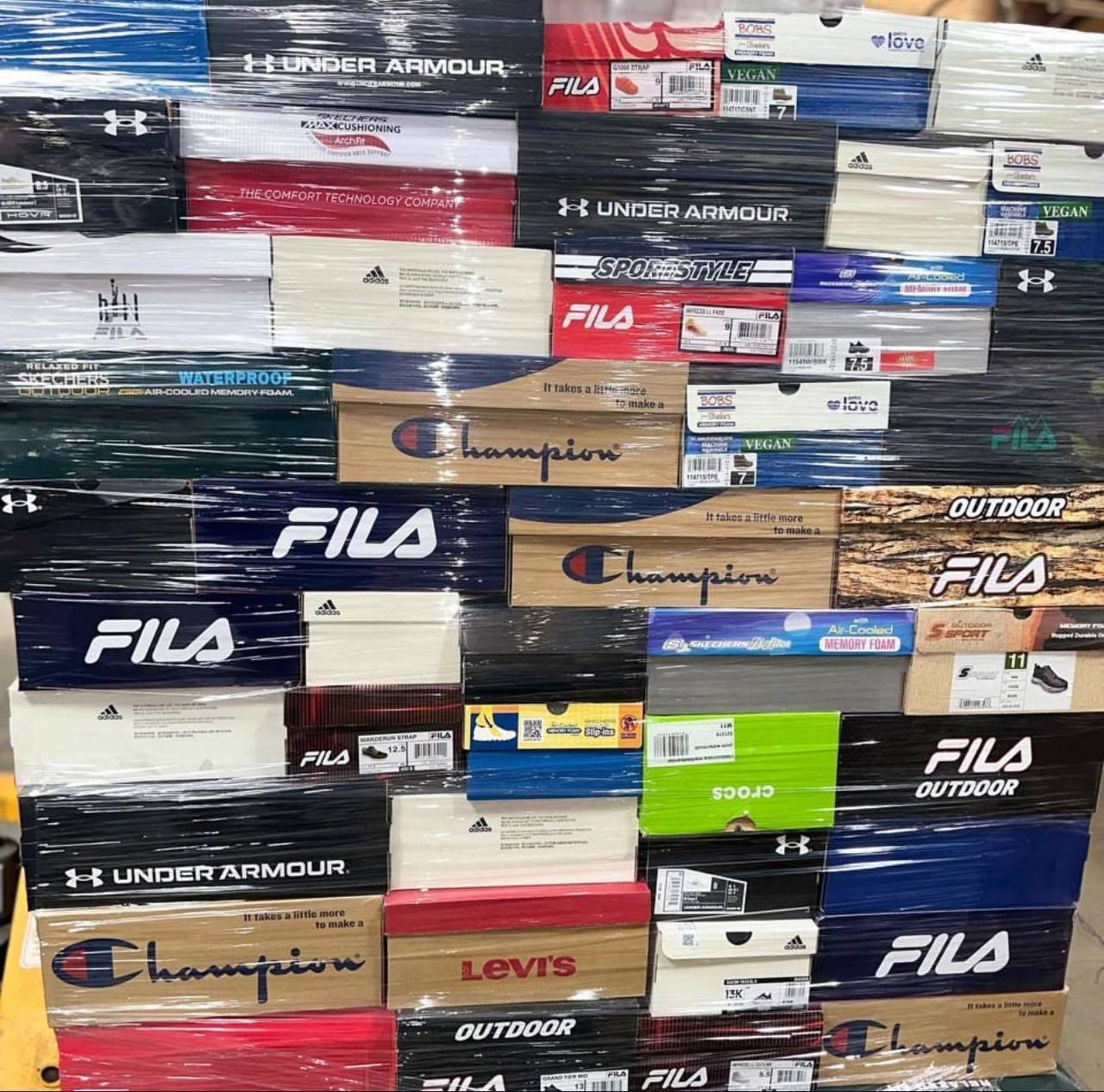
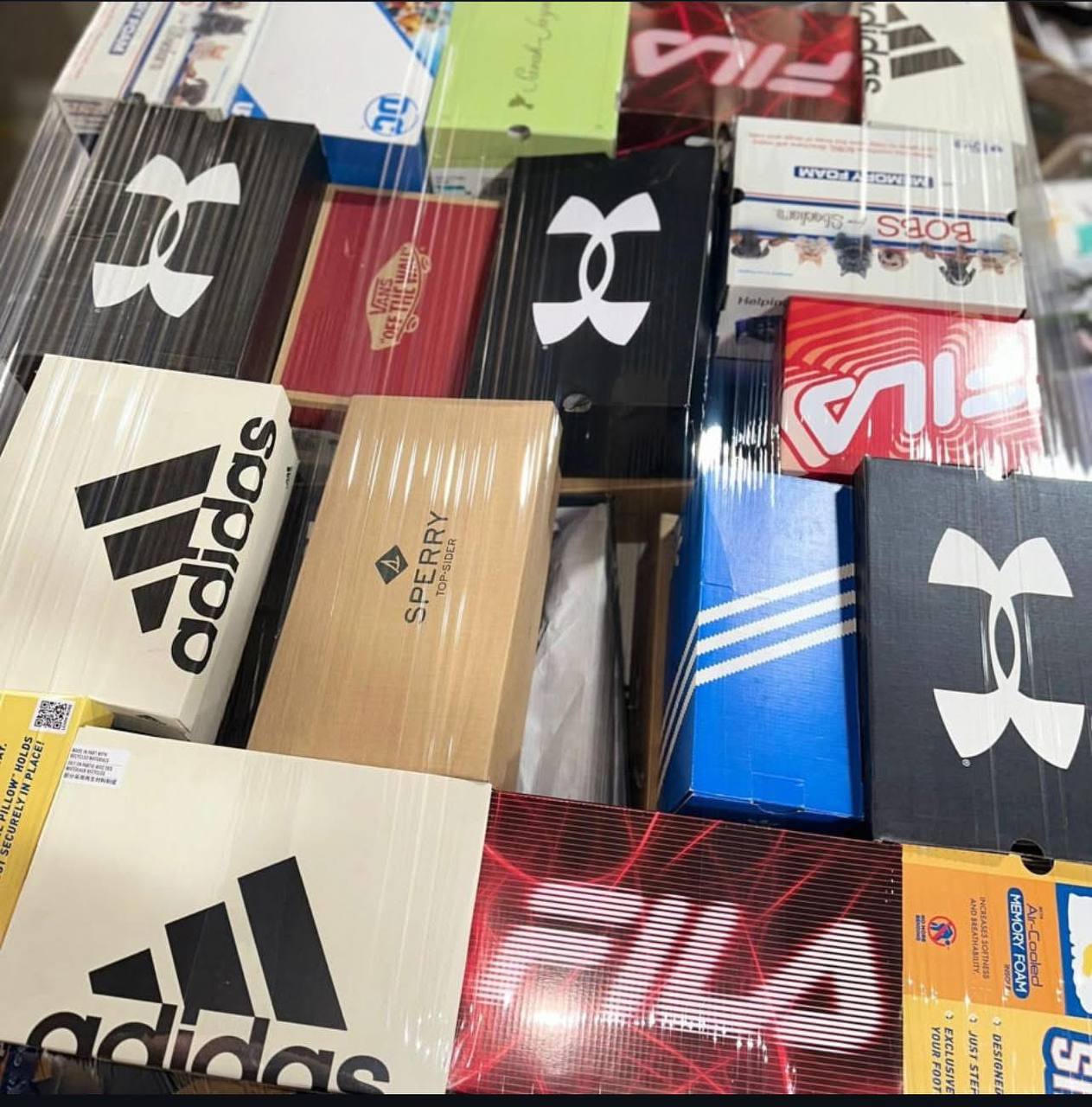
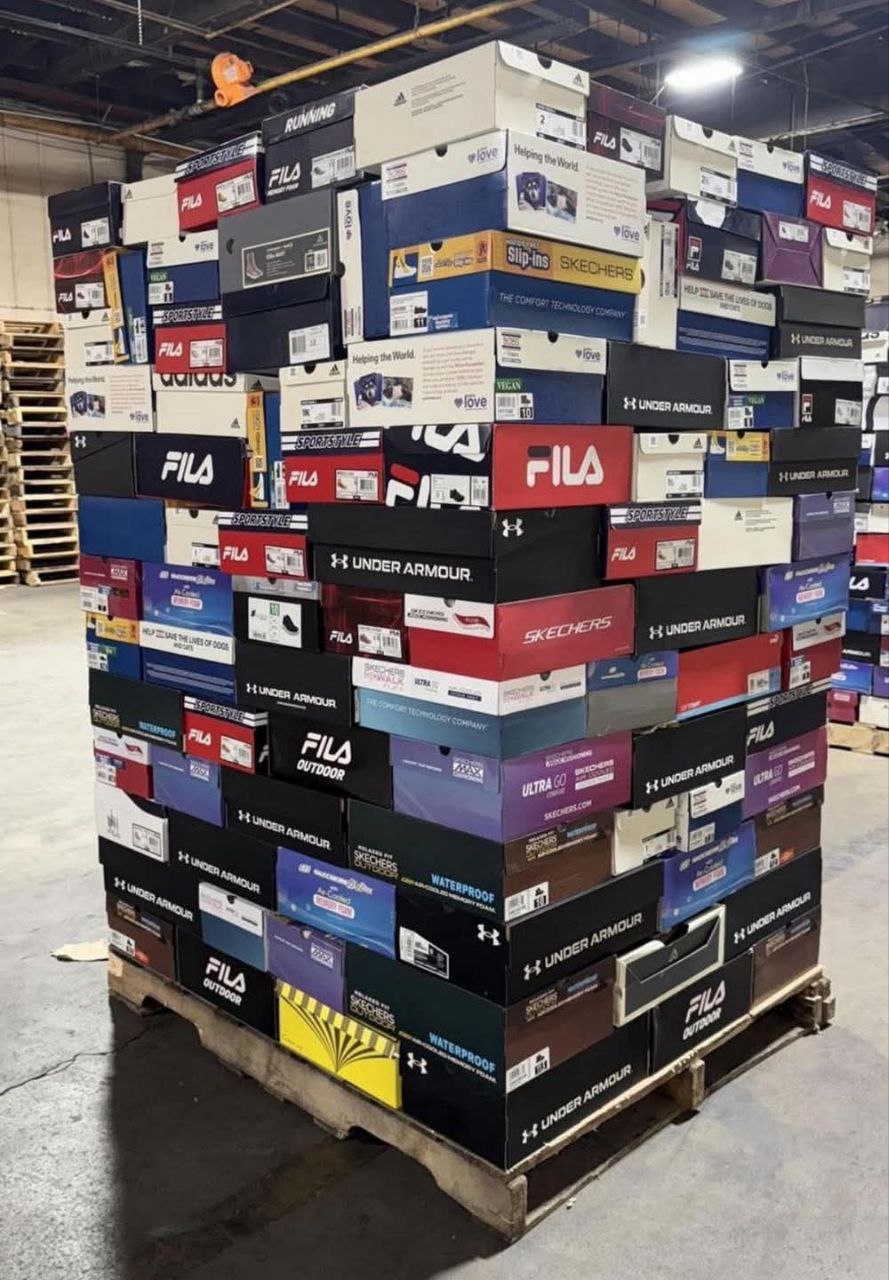
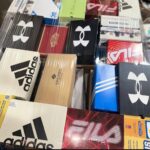
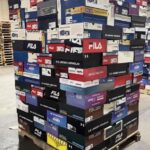
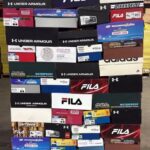
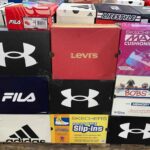
Wholesale Shoe Pallets for Sale – Bulk Footwear Liquidation Deals
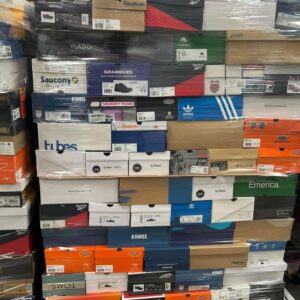
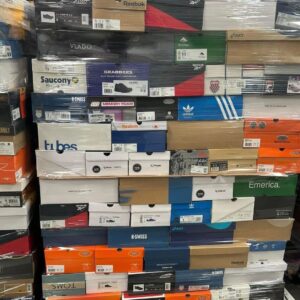
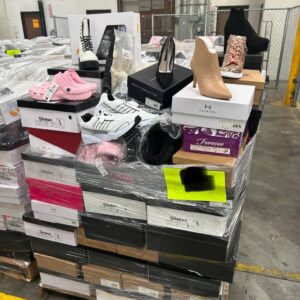
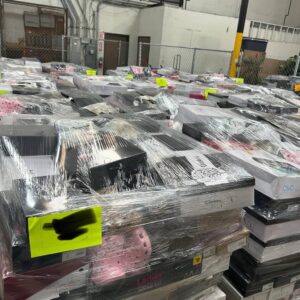
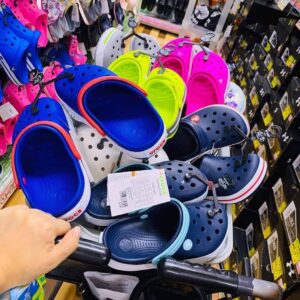
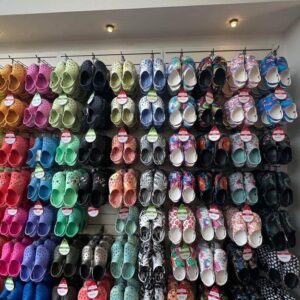
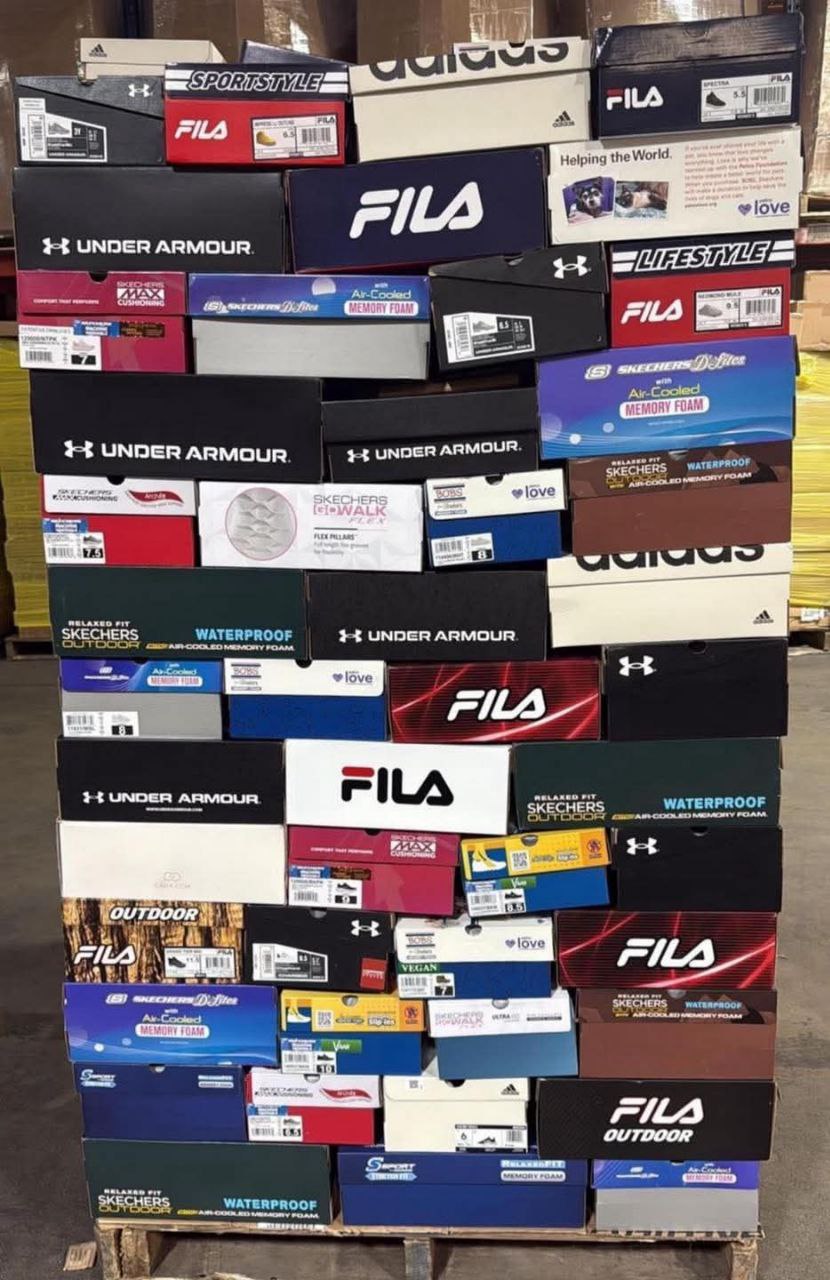
Looking for affordable footwear inventory for your resale business? Our wholesale shoe pallets offer an opportunity to purchase assorted footwear in bulk at liquidation prices. Sourced from retail overstock, customer returns, closeouts, and shelf-pulls, these pallets are designed for resellers, discount retailers, online sellers, market vendors, and other businesses looking to expand their footwear inventory.
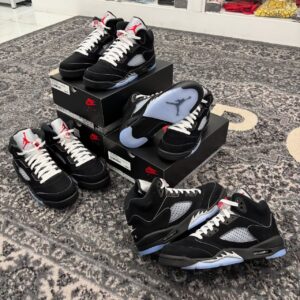
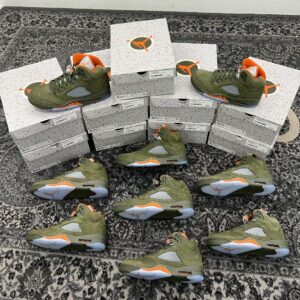
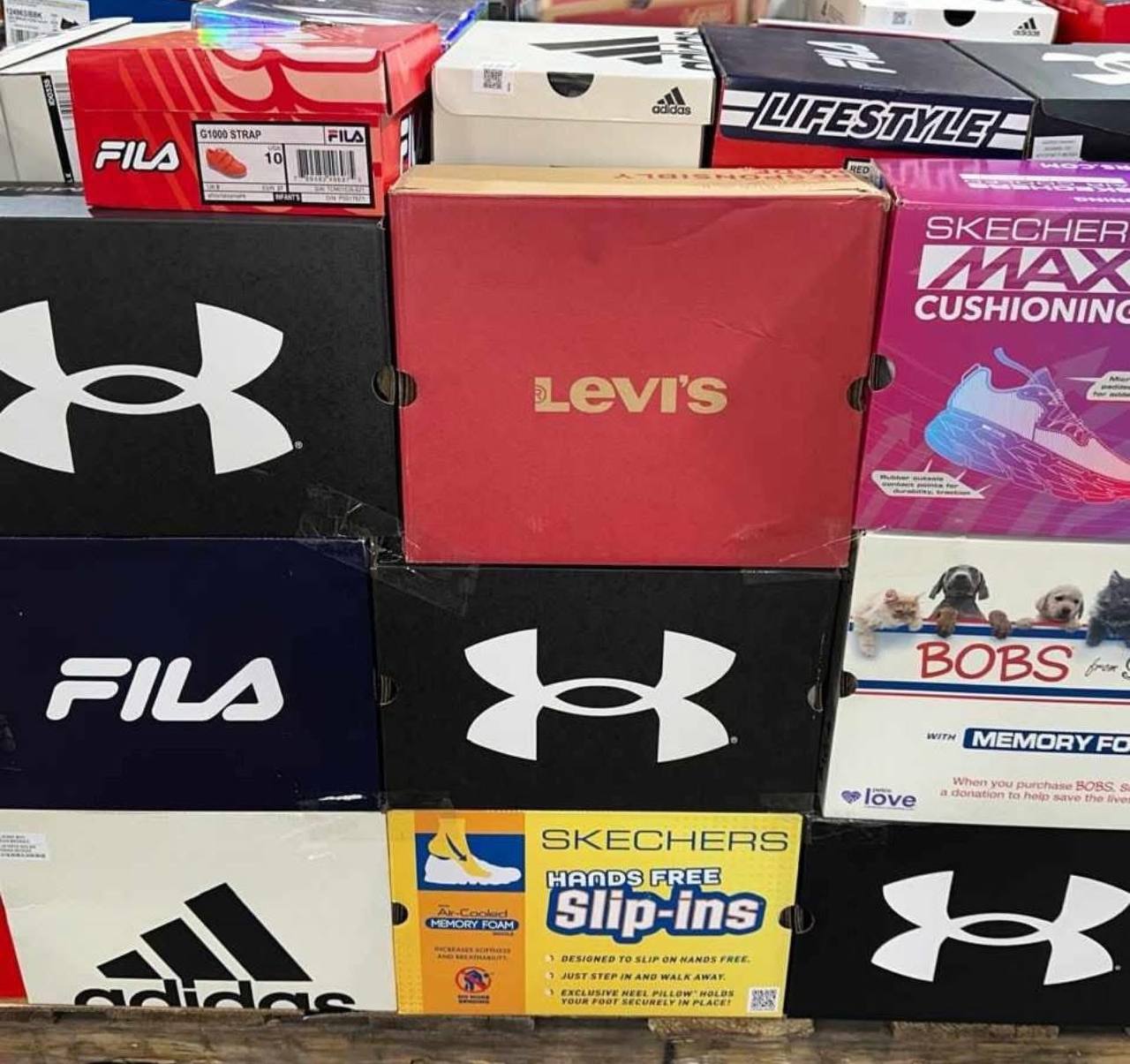
Each pallet typically contains 100–300 pairs of assorted shoes, with a mixed selection of men’s, women’s, and children’s footwear, depending on the available lot. Typical brand selections may include Nike, Adidas, Puma, Reebok, Converse, Vans, and Skechers, giving buyers access to recognizable footwear brands across different styles and sizes.
Whether you operate an online store, a physical shoe shop, a discount outlet, or a flea market business, wholesale shoe liquidation pallets can provide a practical way to source inventory in larger quantities. With careful purchasing, accurate cost calculations, and an understanding of your target market, you can build a varied footwear selection while managing inventory costs.
Why Buy Wholesale Shoe Pallets?
Buying footwear in bulk can help businesses source inventory at potentially lower per-pair costs than purchasing individual products through conventional wholesale channels. Liquidation inventory may include excess retail stock, discontinued styles, seasonal footwear, shelf-pulls, and customer returns.
Here are some reasons retailers consider purchasing wholesale shoe pallets:
- Bulk purchasing: Receive approximately 100–300 pairs in a single pallet, depending on the lot.
- Recognizable brands: Potential access to popular footwear brands, subject to availability and the specific manifest.
- Assorted styles: Stock different shoe categories, designs, and sizes for a broader customer base.
- Liquidation pricing: Purchase excess inventory that may be offered below conventional wholesale prices.
- Resale flexibility: Sell through online marketplaces, independent retail stores, discount shops, local markets, or other suitable sales channels.
- Inventory variety: Explore multiple footwear categories without sourcing every style separately.
The actual value of each pallet depends on the assortment, condition, brand distribution, size mix, shipping expenses, and resale demand. Buyers should evaluate these factors before placing an order.
What’s Included in Our Wholesale Shoe Pallets?
Our wholesale shoe liquidation lots generally contain a combination of footwear sourced from retail overstock, closeouts, customer returns, and shelf-pulls. The exact contents vary by shipment and available inventory.
Product Specifications
| Specification | Details |
|---|---|
| Product Name | Wholesale Shoe Pallets |
| Seller | Verified Shoe & Footwear Liquidation Supplier |
| Inventory Source | Retail Overstock, Customer Returns & Shelf-Pulls |
| Condition | Mixed: approximately 80% brand new/closeout and 20% customer returns/shelf-pulls |
| Typical Brands | Nike, Adidas, Puma, Reebok, Converse, Vans, Skechers |
| Quantity | Approximately 100–300 pairs per pallet |
| Sizes | Assorted men’s, women’s, and children’s sizes |
| Styles | Mixed footwear styles, subject to availability |
| Shipping | Freight delivery within the United States |
| Documentation | Manifest availability should be confirmed before purchase |
Important: Brand names and percentages describe the typical inventory mix, not a guarantee for every pallet. Confirm the exact quantity, condition breakdown, brand assortment, and manifest for the specific lot before purchasing.
Explore Branded Shoe Liquidation Pallets
One of the main attractions of wholesale footwear liquidation is the potential to source products from recognizable brands. Depending on the available inventory, shoe pallets may include athletic footwear, casual sneakers, everyday shoes, and other styles.
Nike Shoe Pallets
Nike footwear is widely associated with athletic performance, sportswear, and casual sneakers. Nike liquidation inventory may appeal to sellers serving customers who shop for running shoes, training footwear, and lifestyle sneakers. Availability, models, sizes, and condition will vary by lot.
Adidas Shoe Pallets
Adidas shoes may include athletic sneakers, casual footwear, and sports-inspired designs. Resellers can evaluate the available selection against local customer preferences and online marketplace demand.
Puma Shoe Pallets
Puma footwear can provide additional variety across sports, lifestyle, and casual sneaker categories. Actual models and quantities depend on the liquidation shipment.
Reebok Shoe Pallets
Reebok inventory may include training shoes, classic sneaker styles, and casual footwear. These products can complement a mixed-brand inventory strategy.
Converse and Vans Shoe Pallets
Converse and Vans are commonly associated with casual and skate-inspired footwear. When available, these brands can add variety to a retailer’s sneaker selection.
Skechers Shoe Pallets
Skechers footwear may include walking shoes, everyday sneakers, and comfort-oriented styles. The available size range and product selection depend on the specific pallet.
Brand availability is not guaranteed. Buyers should request a current manifest and written confirmation of any minimum brand requirements before purchasing.
Mixed Sizes, Styles, and Footwear Categories
Wholesale shoe pallets typically contain assorted sizes and styles rather than identical pairs of one product. Depending on the lot, the assortment may include men’s shoes, women’s shoes, children’s footwear, athletic sneakers, casual shoes, and seasonal designs.
A mixed assortment can help retailers reach different customer groups. However, it is important to understand how the size and style distribution aligns with your business.
Before ordering, consider the following:
- Size distribution: Determine whether the available sizes match your customers’ purchasing patterns.
- Customer demographics: Evaluate whether your market primarily buys men’s, women’s, children’s, or mixed footwear.
- Seasonality: Consider demand for seasonal styles, including lightweight footwear and weather-appropriate shoes.
- Style preferences: Assess whether your customers prefer athletic sneakers, casual shoes, or everyday footwear.
- Inventory turnover: Estimate how quickly the assortment can reasonably sell through your existing channels.
If your business specializes in a specific shoe category, request a suitable lot where available rather than assuming that every pallet contains the same assortment.
Understanding Shoe Pallet Conditions
Condition is one of the most important considerations when buying liquidation shoes. A pallet’s value depends not only on the brands and styles included but also on the number of pairs that are ready for immediate resale.
Our typical inventory description indicates approximately 80% brand-new or closeout footwear and 20% customer returns or shelf-pulls. The actual percentage can vary, so buyers should verify the condition details for the individual lot.
Brand-New and Closeout Shoes
Brand-new and closeout footwear may include unused products from excess retail inventory, discontinued collections, and overstock shipments. Packaging and box conditions can vary, even when the shoes themselves are unused.
Shelf-Pull Shoes
Shelf-pulls are products removed from retail shelves or store inventory. Some may be unused, while others may show handling marks, packaging wear, missing boxes, or other minor issues.
Customer-Return Shoes
Customer returns can range from unused products to shoes with visible wear, missing accessories, damaged packaging, or defects. Each pair should be inspected before being listed or offered for resale.
For more predictable inventory planning, ask the supplier about the condition grading system, return policies, and whether damaged or incomplete pairs are included in the stated quantity.
Who Should Buy Wholesale Shoe Pallets?
Wholesale shoe pallets may suit a range of resale businesses and commercial buyers.
Online sellers: Businesses selling through their own websites or online marketplaces can evaluate the assortment for resale, provided the products meet the relevant platform requirements.
Retail shoe stores: Independent footwear shops can use liquidation inventory to supplement existing stock or test additional product categories.
Discount retailers: Discount stores may find assorted closeout footwear suitable for value-focused customers.
Market vendors: Sellers operating at flea markets, community markets, and other physical selling locations may benefit from having multiple sizes and styles available.
Wholesale distributors: Businesses supplying smaller retailers can assess whether the quantity, brand mix, and condition meet their customers’ needs.
Startup resellers: New businesses may consider liquidation inventory as one possible sourcing channel, provided they account for freight costs, inspection time, storage, and unsold stock.
Buyers should choose pallet quantities that match their available storage, selling capacity, and working capital.
How to Evaluate the Profit Potential of Shoe Liquidation Pallets
Buying liquidation shoes at a low acquisition cost can create resale opportunities, but profitability depends on the actual condition and market value of the inventory. A low purchase price alone does not guarantee a profitable transaction.
For example, consider a hypothetical pallet containing 200 pairs purchased for $1,000. The initial merchandise cost is $5 per pair before freight, handling, inspection, storage, marketplace fees, and other expenses.
If freight costs $300, the merchandise and freight total becomes $1,300, or $6.50 per pair, assuming all 200 pairs are usable and sellable. Additional expenses and any unsellable items would increase the effective cost per saleable pair.
Use the following calculation when evaluating a potential purchase:
Landed cost per pair = (Pallet purchase price + Freight + Other acquisition costs) ÷ Number of saleable pairs
To estimate potential profit, also account for:
- Selling price per pair.
- Marketplace commissions and payment processing fees.
- Packaging and fulfillment costs.
- Discounts required to move slower-selling styles.
- Repair, cleaning, or inspection expenses where applicable.
- Storage costs and unsold inventory.
- Returns, refunds, and other selling expenses.
For instance, selling certain pairs at a higher price may offset lower-value products in the same pallet. However, actual results depend on customer demand, the specific inventory mix, and your selling costs.
Before committing to a large order, compare the supplier’s asking price with realistic resale prices for comparable products in similar conditions.
Shipping and Freight Information
Shoe pallets are generally shipped as freight because of their bulk and weight. Freight charges can vary depending on pallet dimensions, total weight, pickup and delivery locations, delivery service, and any special handling requirements.
The stated shipping area for these lots is the United States only.
Before ordering, confirm the following:
- Total freight charges and whether they are included in the quoted price.
- Pallet dimensions, estimated weight, and shipment quantity.
- Residential or commercial delivery requirements.
- Whether a loading dock or forklift is necessary.
- Estimated transit time and delivery appointment arrangements.
- Procedures for reporting shortages or visible shipping damage.
International buyers should confirm whether the supplier permits third-party freight forwarding or export arrangements. Any forwarding, export documentation, customs clearance, taxes, duties, and onward transportation may be the buyer’s responsibility and risk.
Do not assume international delivery is included in the advertised pallet price.
Business License and Resale Documentation
Some liquidation suppliers operate on a business-to-business basis and may require a valid business license, resale certificate, or other documentation before accepting an order.
Requirements vary by supplier, state, and transaction type. Confirm which documents are necessary before making payment.
Buyers should also verify the supplier’s business identity, payment terms, invoicing practices, and applicable purchase conditions. Where possible, review the supplier’s written policies on cancellations, shortages, product condition, and claims.
How to Buy Wholesale Shoe Pallets
Purchasing footwear liquidation inventory is easier when you follow a structured process.
Step 1: Review available inventory. Check the current pallet selection, quantity, product categories, and asking price.
Step 2: Request the manifest. Ask for available information about brands, styles, sizes, condition grades, and estimated quantities.
Step 3: Confirm product condition. Verify the stated percentage of new, closeout, shelf-pull, and returned products.
Step 4: Calculate your landed cost. Include freight, fees, storage, and expected losses from unsellable or slow-moving pairs.
Step 5: Verify purchasing requirements. Confirm business documentation, payment methods, delivery terms, and return or claim policies.
Step 6: Arrange freight delivery. Ensure the delivery location can receive palletized freight and that someone is available to inspect the shipment.
Step 7: Inspect and sort your inventory. Separate products by size, style, brand, and condition before listing or distributing them.
Following these steps can help you make an informed purchasing decision and reduce uncertainty when buying mixed footwear inventory.
Why Choose Wholesale Shoe Liquidation Inventory?
Wholesale shoe pallets offer businesses an alternative way to source footwear in bulk. Instead of purchasing each product individually, buyers can evaluate mixed lots containing different brands, sizes, and styles through one wholesale transaction.
Potential advantages include access to excess retail inventory, a broad assortment of footwear, and opportunities to develop multiple resale channels. At the same time, mixed-condition inventory requires careful evaluation, realistic pricing, and an understanding of freight expenses.
For businesses with suitable storage, established customers, and a clear resale strategy, liquidation footwear can be a useful addition to an existing inventory sourcing plan.
The key is to evaluate each pallet on its actual contents, documented condition, total landed cost, and realistic resale demand rather than relying solely on advertised brand names or estimated retail values.
Order Wholesale Shoe Pallets Today
Ready to expand your footwear inventory? Explore available wholesale shoe pallets and review the specific details of each liquidation lot before placing your order.
Request current pricing, pallet quantities, brand availability, condition information, freight estimates, and a manifest where available. Confirm all purchasing terms in writing so you understand the inventory and delivery arrangements.
Whether you operate an online resale store, a discount footwear outlet, or a wholesale distribution business, carefully selected shoe liquidation pallets may help you source a broader range of products while keeping inventory acquisition costs under control.
Contact the supplier to discuss current availability, minimum order requirements, and delivery arrangements within the United States.
Frequently Asked Questions About Wholesale Shoe Pallets
1. What are wholesale shoe pallets?
Wholesale shoe pallets are bulk lots of footwear sold together, typically sourced from retail overstock, closeouts, shelf-pulls, and customer returns. They may contain assorted brands, sizes, styles, and product conditions.
2. How many pairs of shoes come in one pallet?
These shoe liquidation pallets typically contain approximately 100–300 pairs. The exact quantity depends on the pallet configuration, shoe types, packaging, and available inventory. Always confirm the quantity for your selected lot.
3. Which brands are included in wholesale shoe pallets?
Typical brand selections may include Nike, Adidas, Puma, Reebok, Converse, Vans, and Skechers. Brand availability varies by shipment, and no specific brand should be assumed unless confirmed by the supplier.
4. Are the shoes brand new?
The typical inventory description indicates approximately 80% brand-new or closeout footwear and 20% customer returns or shelf-pulls. The actual mix may differ between lots. Request written confirmation of the condition breakdown before buying.
5. Do the pallets contain mixed shoe sizes?
Yes, these pallets generally contain assorted sizes and styles, potentially including men’s, women’s, and children’s footwear. A complete size breakdown may not be available for every lot, so request the manifest when possible.
6. Can I make a profit reselling liquidation shoes?
Resale profitability depends on the purchase price, condition, brand mix, customer demand, freight, selling fees, and the number of saleable pairs. Calculate your total landed cost and compare realistic resale prices before purchasing. Profit is not guaranteed.
7. How much does shipping cost?
Freight costs depend on the shipment’s weight and dimensions, delivery distance, delivery location, and service requirements. Request a freight quote for your specific order and include it in your cost calculations.
8. Can international buyers purchase wholesale shoe pallets?
The stated shipping area is the United States only. International buyers should confirm whether the supplier permits third-party forwarding or export arrangements. Any additional freight, customs, duties, and compliance requirements must be evaluated separately.
9. Do I need a business license to buy shoe pallets?
Some suppliers require a business license, resale certificate, or other business documentation. Requirements vary, so confirm the supplier’s purchasing conditions before placing an order.
10. Is a manifest available for each pallet?
Manifest availability depends on the supplier and the specific liquidation lot. When available, a manifest may provide information about brands, product descriptions, sizes, quantities, and condition classifications. Request it before purchasing whenever possible.
11. Are shoe boxes included with the pallet?
Packaging varies. Some pairs may have original boxes, while others may have damaged, missing, or replacement packaging. Confirm packaging expectations with the supplier if original shoe boxes are important to your business.
12. What should I check before buying wholesale shoe pallets?
Review the asking price, quantity, brand mix, size distribution, condition breakdown, manifest, freight charges, supplier credentials, and purchase policies. Ensure that your business can store, inspect, sort, and resell the inventory before committing to an order.