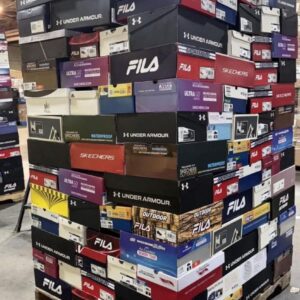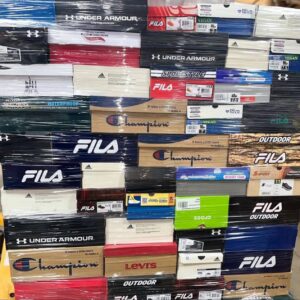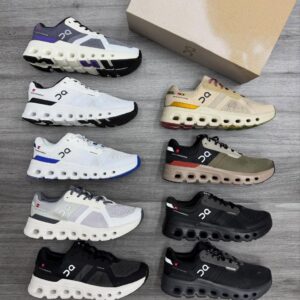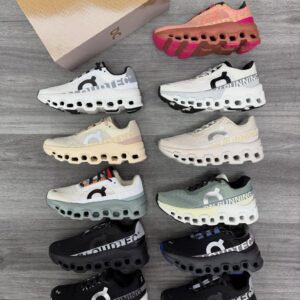

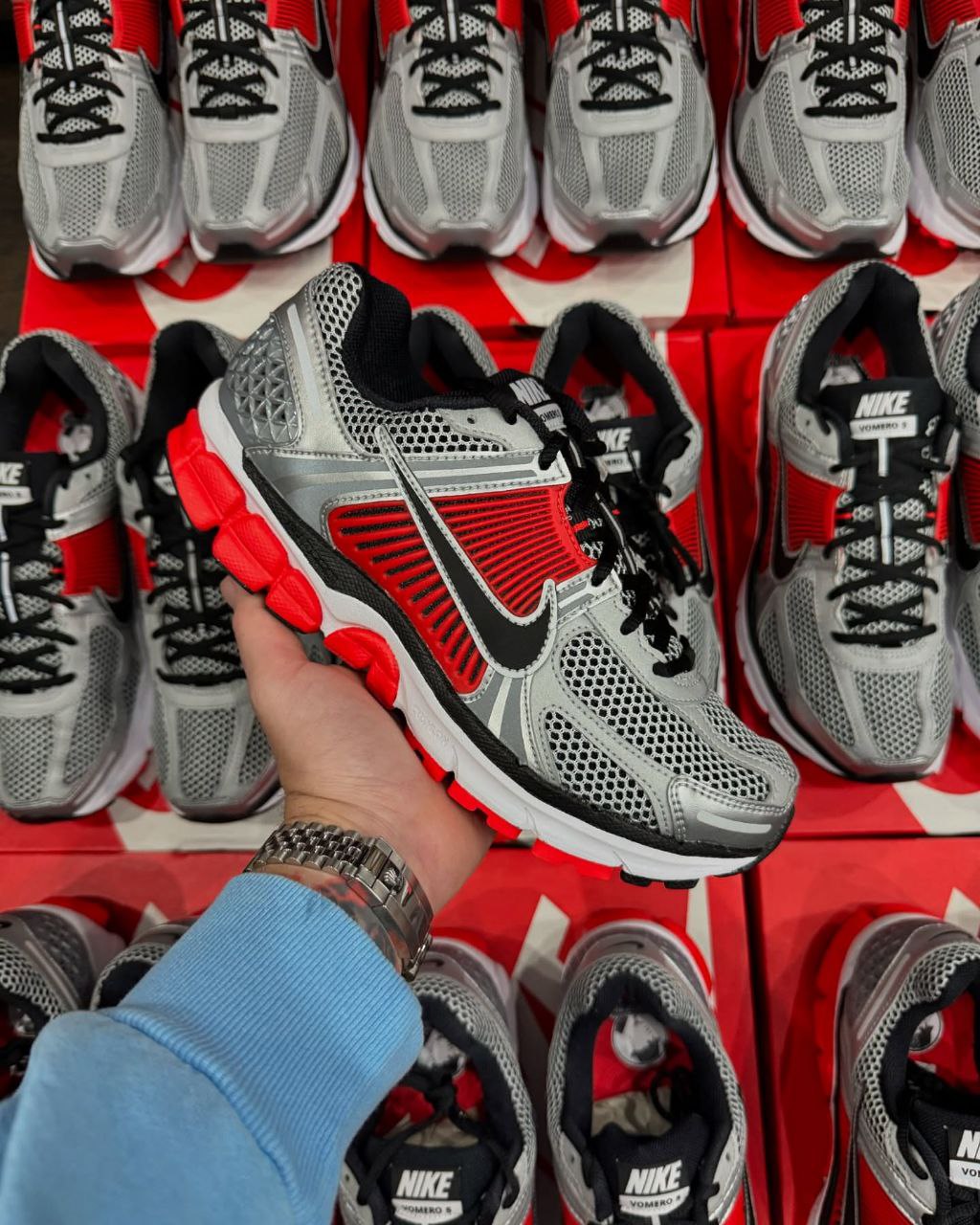


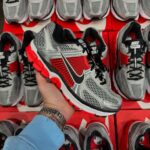
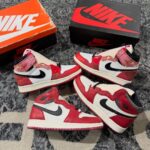
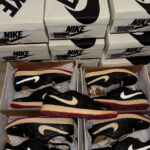
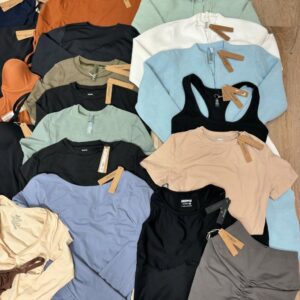
Nike Liquidation Pallets – Wholesale Nike Shoes, Overstock & Customer Returns
Looking for an affordable way to expand your footwear inventory and grow your resale business? Nike liquidation pallets offer resellers, discount retailers, online sellers, and wholesale buyers an opportunity to purchase bulk footwear inventory from liquidation channels. Depending on the supplier and available stock, these pallets may contain overstock merchandise, shelf pulls, customer returns, clearance footwear, and other liquidation inventory.
Buying Nike shoes in bulk can help businesses diversify their product selection, source inventory at wholesale prices, and serve customers looking for athletic footwear, casual sneakers, and sports-inspired styles. Whether you sell through an online marketplace, operate a physical store, or supply other resellers, liquidation pallets can provide access to a varied assortment of footwear.
However, every liquidation purchase requires careful evaluation. Product conditions, sizes, styles, quantities, authenticity documentation, and shipping expenses can vary between lots. Understanding these factors before placing an order helps you estimate costs, plan your resale strategy, and make a more informed purchasing decision.
What Are Nike Liquidation Pallets?
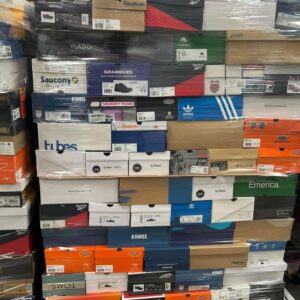
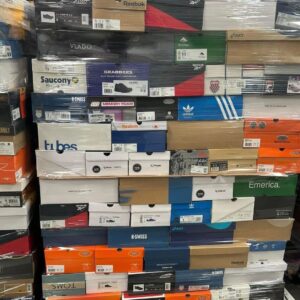
Nike liquidation pallets are bulk lots of footwear offered through liquidation suppliers, wholesale distributors, closeout businesses, or other inventory resellers. Depending on the source, the merchandise may include excess inventory, discontinued styles, shelf pulls, customer returns, and clearance products.
Instead of purchasing individual pairs at standard retail prices, buyers acquire multiple pairs in a single transaction. Inventory may arrive in cartons, palletized shipments, or other bulk packaging, depending on the supplier’s fulfillment process.
For retailers and resellers, this purchasing model can provide an alternative inventory sourcing method. It can also introduce challenges, particularly when lots contain mixed sizes, different styles, or products requiring inspection and preparation before resale.
Before buying, review the supplier’s inventory description and manifest, when available, to understand exactly what the shipment includes.
What’s Included in a Nike Liquidation Pallet?
The contents of a Nike liquidation pallet depend on the individual lot, its source, and the supplier’s inventory availability. Some lots may focus on footwear, while others may contain assorted athletic shoes or mixed-condition merchandise.
Common inventory categories may include:
- Overstock footwear: Excess inventory that was not sold through the original retail channel.
- Shelf pulls: Products removed from retail shelves, potentially because of seasonal changes, packaging updates, or inventory adjustments.
- Customer returns: Shoes returned by customers for reasons such as sizing, fit, appearance, or other purchasing preferences.
- Clearance merchandise: Products offered through closeout or liquidation channels following retail markdowns.
- Refurbished or inspected returns: Certain lots may include merchandise that has undergone inspection, cleaning, or limited restoration, if specifically disclosed by the seller.
Not every pallet contains all these categories. The actual assortment depends on the specific shipment, and buyers should avoid assuming that all products are new, unused, or packaged in original boxes.
Typical Pallet Quantities and Conditions
Some suppliers advertise smaller lots containing approximately 50 pairs of shoes, while standard pallet offers may contain around 100 pairs. These figures are illustrative rather than guaranteed quantities.
The condition mix can also vary. A supplier may describe a lot as predominantly new or overstock, with additional returns and shelf pulls. Any percentage breakdown should be treated as an estimate unless supported by a current manifest or written inventory disclosure.
| Inventory Detail | What Buyers Should Check |
|---|---|
| Pair quantity | Confirm the total number of pairs included |
| Size distribution | Review adult, youth, and individual shoe sizes |
| Product styles | Check available models, colors, and categories |
| Condition | Identify new, returned, used, or refurbished items |
| Packaging | Confirm whether original shoe boxes are included |
| Manifest | Request item-level details when available |
| Defect policy | Understand how damaged or incomplete pairs are handled |
A detailed manifest can help you determine whether a particular pallet matches the needs of your customers.
Benefits of Buying Nike Liquidation Pallets
1. Purchase Footwear in Bulk
Buying wholesale footwear in bulk can simplify inventory acquisition for businesses that need multiple pairs rather than individual products. Depending on the deal, a single shipment may provide enough stock to support several weeks of sales or a new product category.
Bulk purchasing may also reduce the time spent sourcing individual items from multiple suppliers.
2. Explore Different Styles and Sizes
Liquidation inventory may include different sneaker styles, athletic footwear, colors, and sizes. This variety can help resellers test different product categories and learn which items attract demand in their target market.
However, variety is not guaranteed. Some pallets may contain concentrated size ranges, repeated styles, or products that are less suitable for your customers.
3. Access Overstock and Clearance Inventory
Overstock and clearance channels provide another way to source merchandise outside traditional retail purchasing arrangements. For resellers, the key is determining whether the total acquisition cost leaves enough room for operating expenses and a potential profit.
A lower purchase price alone does not guarantee a profitable transaction.
4. Support Multiple Resale Channels
Nike footwear may be suitable for several resale channels, depending on the specific products, condition, documentation, and applicable marketplace rules.
Potential sales channels include:
- Online footwear stores
- General e-commerce websites
- Local shoe shops
- Social commerce platforms
- Flea markets and discount outlets
- Wholesale distribution to other retailers
Each channel has different customer expectations, fees, return policies, and product requirements. Choose a sales strategy before committing to a large shipment.
5. Expand Your Existing Product Range
For established footwear retailers, liquidation purchases may supplement regular inventory with additional styles or sizes. New resellers may also use smaller lots to evaluate customer demand before purchasing larger quantities.
Start with a manageable order size, assess the merchandise after delivery, and track actual selling prices and expenses before expanding.
How to Choose a Reliable Nike Liquidation Pallet Supplier
Supplier verification is especially important when buying branded footwear in bulk. Nike-branded products can attract counterfeit merchandise, misleading descriptions, and unsupported claims about inventory origin.
A supplier’s marketing description alone does not establish that products are authentic or that the seller is authorized by the brand.
Before placing an order, take the following steps.
Verify Product Authenticity
Ask the supplier for documentation supporting the merchandise’s origin, such as invoices, purchase records, or traceable sourcing information where available. Check whether the supplier has a verifiable business identity, established contact details, and a clear returns or dispute policy.
Be cautious of unusually low prices, vague sourcing claims, stock photographs presented as actual inventory, or sellers unwilling to provide reasonable documentation.
Request a Current Manifest
A manifest should describe the contents of the specific lot you intend to purchase. Depending on the supplier, it may list product identifiers, styles, sizes, quantities, condition grades, and estimated retail values.
Compare the manifest with your target customers’ preferences. A pallet containing mostly uncommon sizes or slow-moving styles may be less suitable for your business than a smaller lot with a more relevant assortment.
Understand Condition Grading
Ask how the supplier distinguishes new merchandise, shelf pulls, customer returns, used products, and refurbished items. Clarify whether shoes are inspected individually and whether missing boxes, damaged packaging, visible wear, or incomplete pairs are disclosed.
Request photographs of the actual inventory when possible. If the seller provides only general images, treat the precise condition and assortment as unverified until confirmed in writing.
Review Payment and Shipping Terms
Confirm the total price, payment method, shipping arrangement, estimated delivery timeframe, insurance options, and responsibility for damaged freight.
Use payment methods that offer appropriate transaction records and dispute protections. Read the supplier’s terms before paying, especially for large orders or international shipments.
How Much Do Nike Liquidation Pallets Cost?
The price of Nike liquidation pallets varies according to quantity, product assortment, condition, sourcing costs, and shipping arrangements. Pallets containing new overstock footwear may be priced differently from lots with substantial customer returns or used merchandise.
Rather than evaluating a pallet solely by its advertised price, calculate the estimated landed cost.
Your total acquisition cost may include:
- Pallet purchase price
- Domestic freight or collection charges
- International shipping, where applicable
- Customs duties and import taxes
- Customs brokerage and handling fees
- Inspection, cleaning, and repackaging expenses
- Marketplace fees and payment processing costs
For example, if a pallet contains 100 pairs, divide the total landed cost by 100 to calculate your average acquisition cost per pair. Then adjust your calculations for defective items, unsellable merchandise, and products likely to require additional preparation.
This approach provides a more realistic starting point for evaluating potential margins.
How to Resell Nike Liquidation Pallets Profitably
Successful resale depends on inventory quality, customer demand, pricing, and cost control. A clear plan before delivery can help reduce unnecessary expenses.
Step 1: Identify Your Target Market
Determine whether you will sell to sneaker enthusiasts, budget-conscious shoppers, sportswear customers, families, or other retailers. Consider the sizes, styles, price points, and product conditions that your customers are most likely to accept.
Step 2: Inspect and Sort the Inventory
After delivery, compare the contents with the manifest. Separate products by size, style, condition, and packaging status. Document discrepancies and photograph damaged merchandise before cleaning or modifying any items.
Step 3: Prepare Products for Sale
Depending on their condition, some pairs may need dust removal, cleaning, new packaging, or additional inspection. Do not describe used or refurbished products as new, and disclose relevant wear or defects in product listings.
Step 4: Research Selling Prices
Compare similar products in comparable conditions across your intended sales channels. Consider actual demand, competition, shipping expenses, and platform fees rather than relying exclusively on original retail prices.
Step 5: Create Accurate Product Listings
Use clear photographs, accurate sizes, condition descriptions, and transparent return terms. Describe products and their sourcing accurately, and avoid suggesting brand authorization or official affiliation unless you can substantiate it.
Step 6: Track Your Results
Record your purchase costs, sellable quantity, sales revenue, fees, shipping expenses, and unsold inventory. These records can help you decide whether to reorder similar liquidation lots or explore other inventory categories.
Shipping and International Availability
Nike liquidation pallets are generally shipped as bulk freight rather than ordinary individual shoe orders. Shipping costs depend on pallet dimensions, weight, destination, delivery method, and whether residential delivery, a liftgate, or special handling is required.
Buyers within the United States should confirm whether the quoted price includes freight, delivery appointments, and any additional handling fees.
International buyers should also consider export documentation, customs clearance, import duties, taxes, and local product resale requirements. Freight forwarders may help coordinate international transport, but the availability of export services does not guarantee that a specific shipment can be delivered to every destination.
Before ordering, obtain a shipping quotation based on your actual delivery address and confirm that the supplier accepts orders for your destination.
Who Should Buy Nike Liquidation Pallets?
Nike liquidation pallets may be worth evaluating for several types of businesses.
Online resellers may use bulk footwear inventory to expand their product catalog, provided each item meets the relevant marketplace’s authenticity, condition, and listing requirements.
Physical footwear retailers may use suitable lots to supplement existing stock or introduce selected products at different price points.
Discount stores and outlet operators may consider mixed-condition inventory if they have processes for inspection, pricing, and transparent product disclosure.
Wholesale distributors may evaluate larger lots for redistribution to smaller retailers, depending on the assortment and commercial terms.
New resellers may benefit from starting with a smaller lot to understand inspection, fulfillment, pricing, and demand before investing in larger shipments.
Buyers should also check whether the supplier requires a business registration, resale certificate, tax documentation, or other purchasing qualifications.
Frequently Asked Questions About Nike Liquidation Pallets
1. What are Nike liquidation pallets?
Nike liquidation pallets are bulk lots of Nike-branded footwear offered through liquidation, closeout, overstock, or returns channels. Depending on the specific supplier, the merchandise may include new overstock, shelf pulls, customer returns, clearance items, or other disclosed inventory categories.
2. Are all shoes in Nike liquidation pallets brand-new?
No. The condition varies by lot. Some shipments may contain predominantly new overstock, while others include customer returns, shelf pulls, used products, or items requiring inspection. Always review the condition breakdown before buying.
3. How many pairs come in a Nike liquidation pallet?
Quantities depend on the supplier and the specific lot. Some offers may contain approximately 50 pairs, while others may contain around 100 pairs or a different quantity. Confirm the exact pair count in the listing, manifest, or purchase agreement.
4. Are Nike liquidation pallet products authentic?
Authenticity depends on the merchandise source and supplier. Request traceable sourcing documentation, purchase records where available, and clear inventory descriptions. Do not assume that branded packaging or a supplier’s claim alone proves authenticity.
5. Can I buy Nike liquidation pallets for resale?
Potentially, yes. Businesses may resell genuine merchandise, subject to applicable laws, marketplace rules, contractual restrictions, and any relevant trademark or distribution requirements. Review your supplier’s terms and the requirements of your intended sales channel before purchasing.
6. Can beginners purchase Nike liquidation pallets?
Beginners may be able to purchase smaller lots, depending on supplier requirements. Starting with a manageable quantity can help you learn how to inspect merchandise, estimate landed costs, prepare listings, and evaluate resale demand before committing to larger orders.
7. Do Nike liquidation pallets include original shoe boxes?
Some pairs may include original boxes, while others may arrive with damaged, missing, or replacement packaging. Packaging conditions should be confirmed with the supplier before ordering, especially if original boxes are important to your customers.
8. Can Nike liquidation pallets be shipped internationally?
International shipping may be available through selected suppliers or freight forwarders. Availability depends on the seller, destination, transport arrangements, and applicable import and export rules. Request a destination-specific freight quote before making payment.
9. What should I check before buying a Nike liquidation pallet?
Review the manifest, pair count, size distribution, style assortment, condition grading, authenticity documentation, payment terms, shipping expenses, and defect policy. Calculate the landed cost and estimate realistic resale values before placing an order.
10. Are Nike liquidation pallets guaranteed to be profitable?
No. Profitability depends on the purchase price, merchandise condition, customer demand, sell-through rate, operating expenses, and final selling prices. Some items may sell slowly or require additional work, so evaluate the full cost structure rather than relying on estimated retail value alone.
Find the Right Nike Liquidation Pallet for Your Business
Sourcing Nike liquidation pallets can provide an additional inventory option for footwear retailers, wholesale buyers, and online resellers. The key is to focus on verified merchandise, transparent condition descriptions, a useful manifest, and realistic landed-cost calculations.
Before purchasing, confirm the exact quantity, product assortment, authenticity documentation, shipping arrangements, and supplier policies. Compare the expected resale value with the complete cost of acquiring and preparing the inventory.
Ready to explore Nike liquidation pallets? Review the available lots, request current inventory details, and choose a shipment that aligns with your target market, budget, and resale strategy.