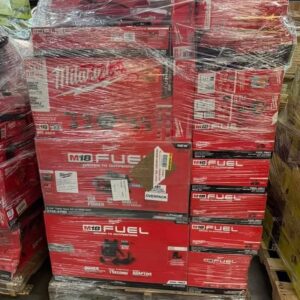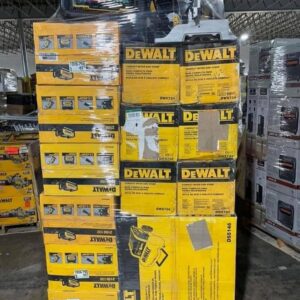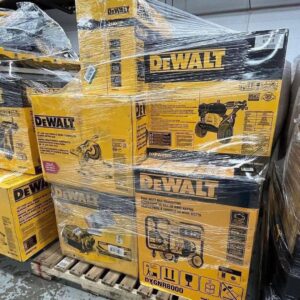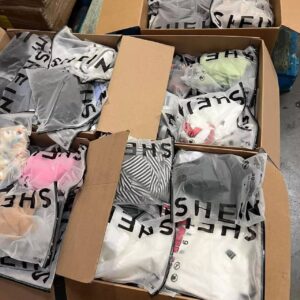
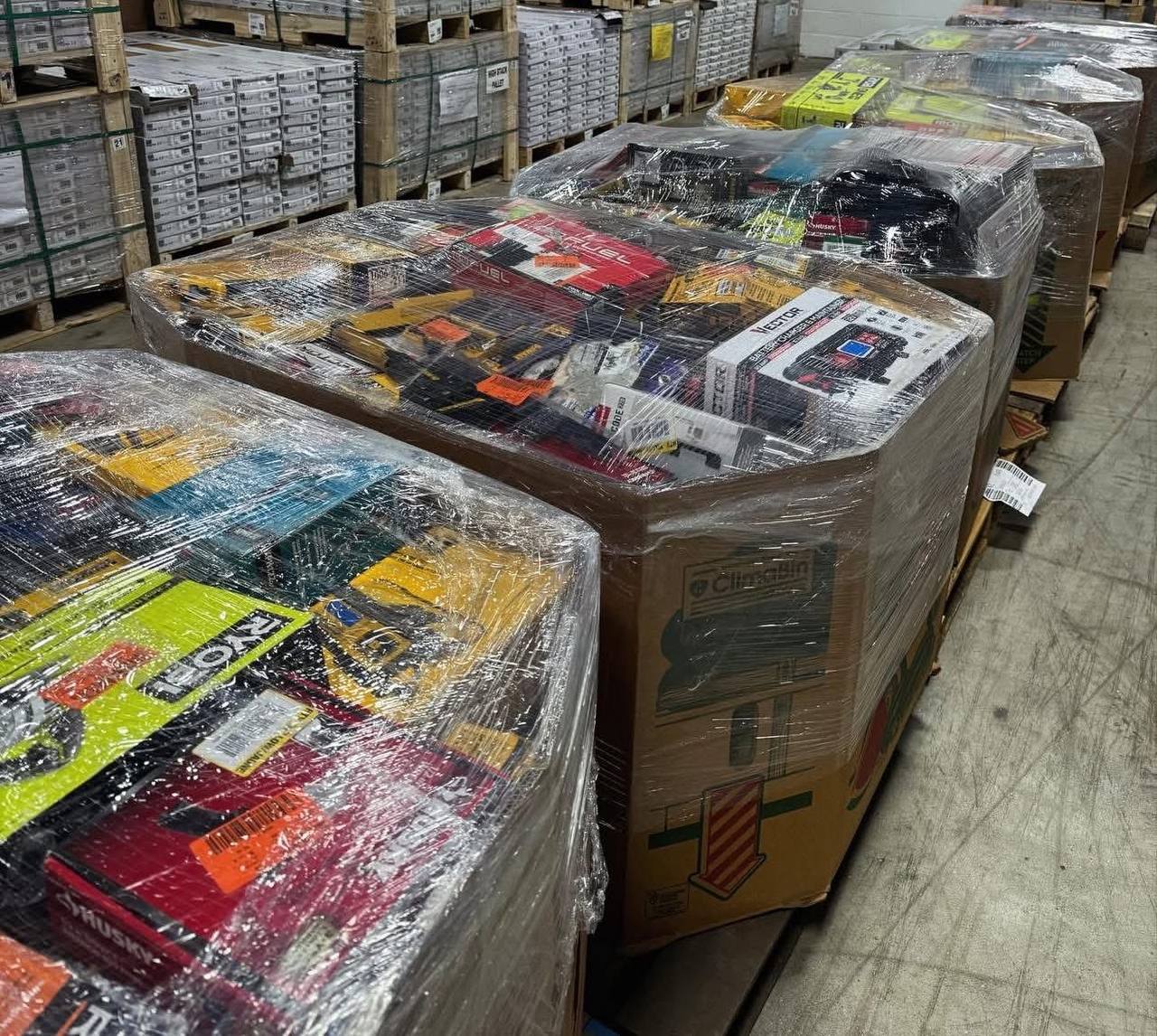
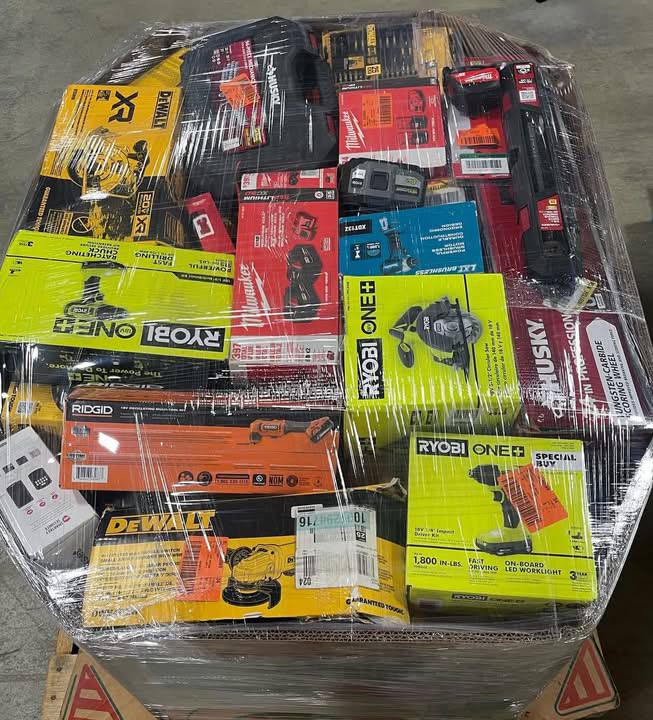
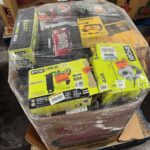
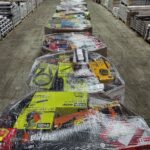
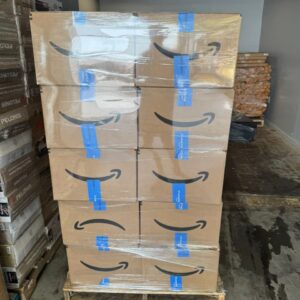
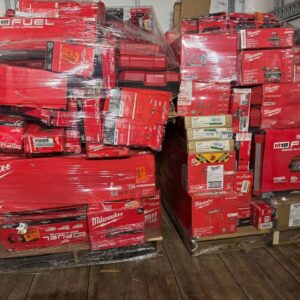
Tool Liquidation Pallets – Wholesale Tools at Competitive Prices
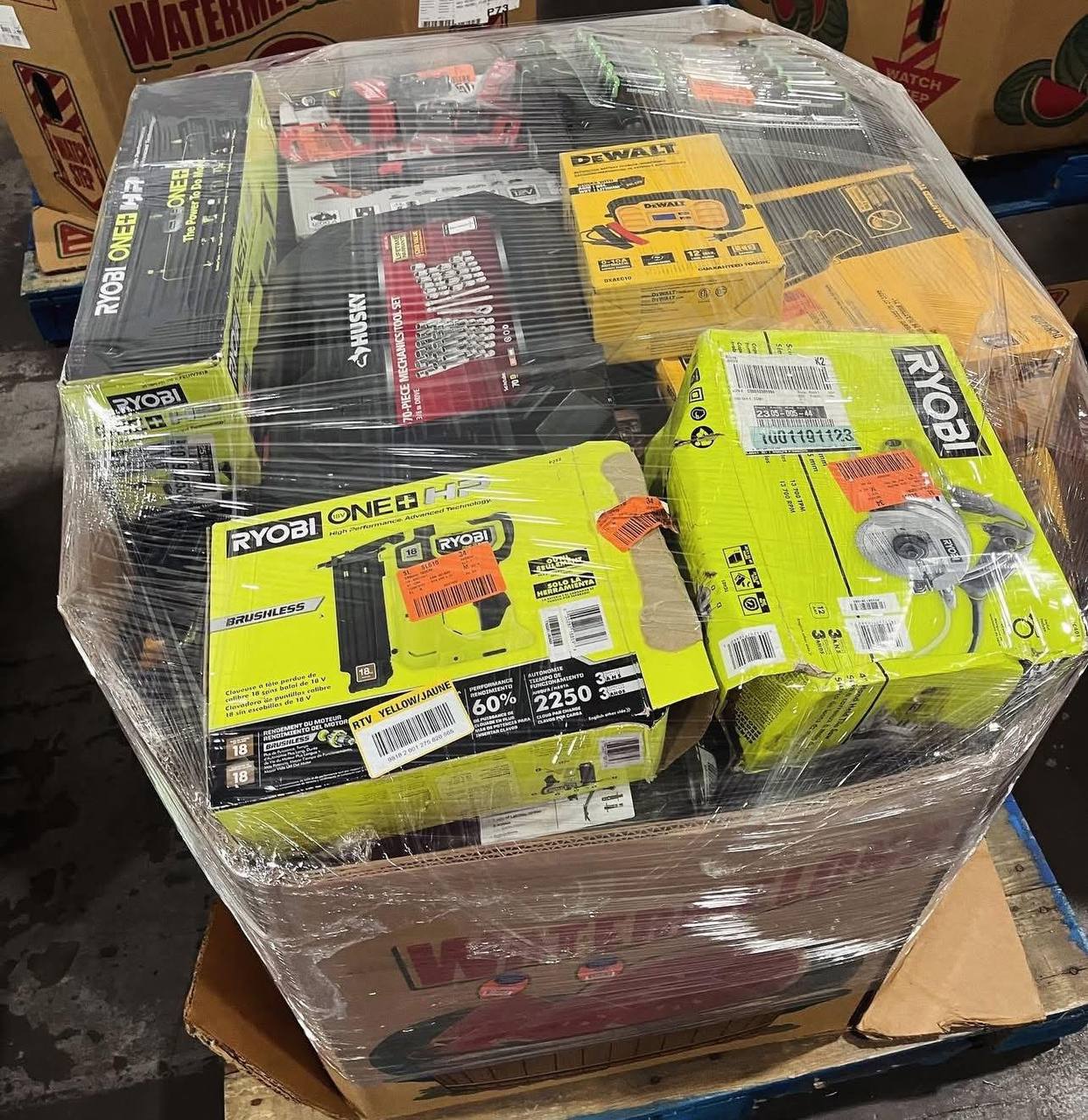
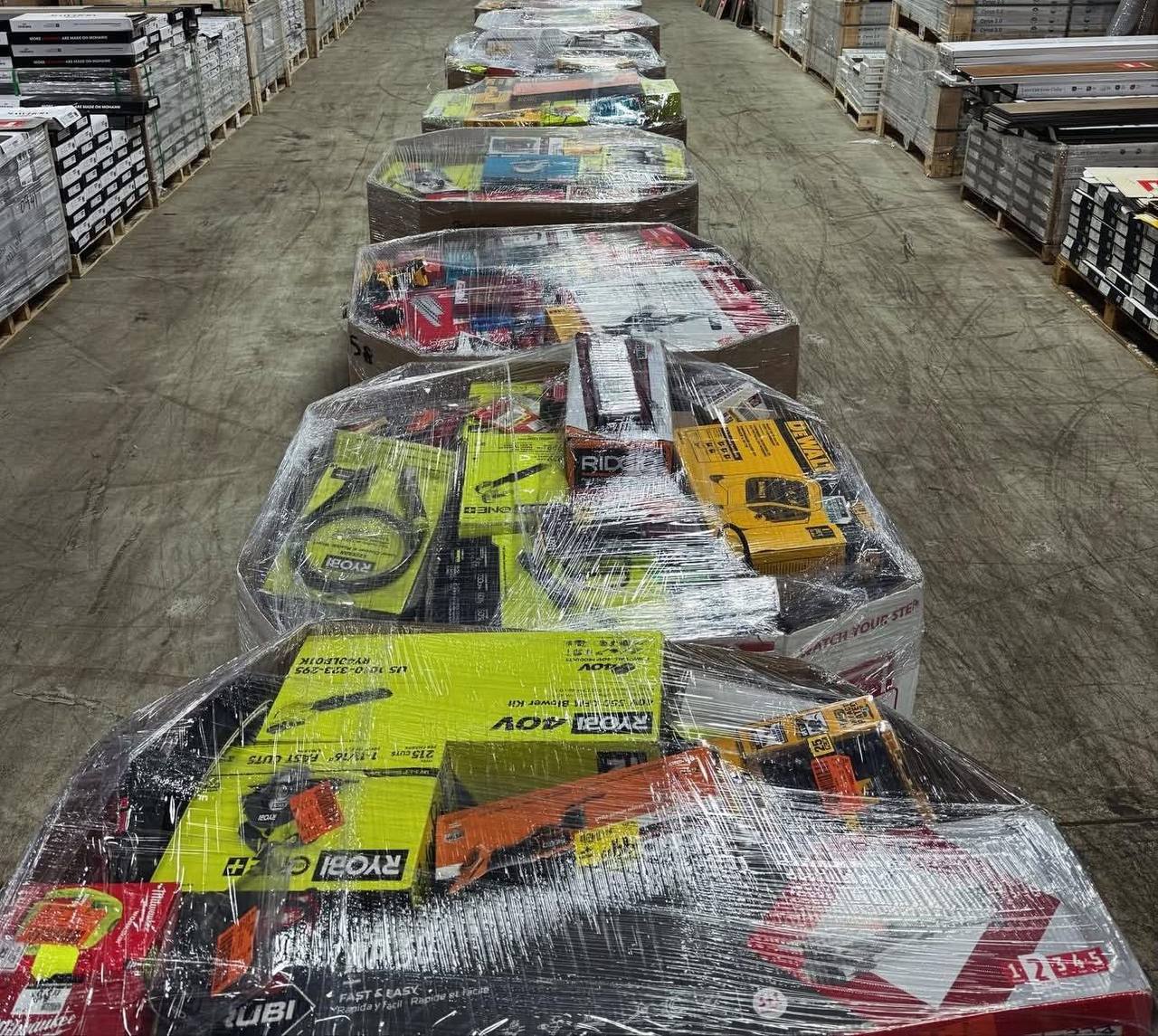
Looking for affordable wholesale tools with resale potential? Tool Liquidation Pallets offer an opportunity for resellers, hardware store owners, contractors, and wholesale buyers to source assorted hand tools, power tools, and accessories in bulk. These pallets typically contain overstock inventory, shelf pulls, customer returns, and open-box merchandise sourced from major big-box retailers.
With examples of recognized brands such as DeWalt, Makita, Milwaukee, Ridgid, and Bosch, these liquidation pallets can provide access to a varied selection of tools for resale, personal use, or business inventory expansion.
Whether you operate an online store, sell through local marketplaces, manage a hardware shop, or purchase tools for professional projects, wholesale tool liquidation can help you explore bulk inventory opportunities without sourcing every item individually.
Our tool liquidation inventory is supplied by a verified tool liquidation distributor, with mixed-condition merchandise and assorted product categories. Each pallet may contain a different combination of tools, accessories, and conditions, making it important to review the available inventory details before purchasing.
What Are Tool Liquidation Pallets?
Tool liquidation pallets are bulk collections of tools and related accessories sold together at wholesale liquidation prices. They generally consist of merchandise that retailers or distributors are clearing from their inventory, including surplus stock, discontinued products, customer returns, and shelf-pull items.
Instead of purchasing individual tools at retail prices, buyers acquire a larger assortment in one transaction. This approach can be useful for businesses that need multiple products to stock shelves, list online, or sell through local distribution channels.
Depending on the available inventory, wholesale tool pallets may include cordless drills, impact drivers, saws, grinders, hand tools, measuring equipment, tool accessories, and other workshop essentials.
Because liquidation inventory changes regularly, the exact brands, quantities, models, and conditions will vary from pallet to pallet.
Tool Liquidation Pallets – Product Specifications
|
Specification |
Details |
|---|---|
|
Seller |
Verified Tool Liquidation Distributor |
|
Product |
Tool Liquidation Pallets |
|
Inventory Source |
Overstock, customer returns, and shelf pulls |
|
Condition |
Mixed: brand new, like-new, open-box, and customer returns |
|
Items per Pallet |
Typically 60–150 assorted tools and accessories |
|
Example Brands |
DeWalt, Makita, Milwaukee, Ridgid, Bosch |
|
Product Categories |
Hand tools, power tools, and accessories |
|
Shipping Area |
Domestic freight shipping within the USA |
|
Export Availability |
May be possible, subject to logistics confirmation |
|
Return Policy |
Final sale; inspect inventory before resale |
Important: Specifications describe typical inventory. Actual pallet contents, quantities, product conditions, and brand availability may differ. Confirm the current manifest and shipping arrangements before placing an order.
What’s Included in Tool Liquidation Pallets?


One of the main attractions of tool liquidation pallets is the variety of products available in a single bulk purchase. Depending on the shipment, you may receive a combination of the following categories.
1. Power Tools
Power tools are frequently sought after by contractors, DIY enthusiasts, workshops, and online shoppers. Available inventory may include:
-
Cordless drills and impact drivers
-
Circular saws and reciprocating saws
-
Angle grinders and oscillating tools
-
Sanders and other woodworking equipment
-
Electric and cordless cutting tools
-
Specialty power tools for repair and construction
Some units may arrive brand new or in open-box condition, while others may be customer returns that require inspection and functional testing.
2. Hand Tools
Hand tools are useful for hardware retailers, mechanics, maintenance professionals, and home improvement customers. Potential products include:
-
Wrenches and socket sets
-
Screwdrivers and bit sets
-
Pliers and wire cutters
-
Hammers and mallets
-
Measuring tapes and levels
-
Clamps, utility knives, and fastening tools
These products can be sorted into individual listings, bundled into practical tool kits, or sold directly through retail and wholesale channels.
3. Tool Accessories
Accessories can add variety to your inventory and provide opportunities for smaller individual sales. Depending on the pallet, accessories may include drill bits, saw blades, sanding materials, driver bits, batteries, chargers, carrying cases, and other compatible components.
Remember that accessories are not guaranteed to be included in every shipment. Battery-powered tools should also be checked for compatible batteries, chargers, and required components before resale.
Popular Brands Found in Tool Liquidation Pallets


Brand variety is an important consideration when purchasing wholesale tool inventory. Depending on the available lot, tool liquidation pallets may include products from established manufacturers such as:
DeWalt: Drills, drivers, saws, grinders, and construction tools commonly used by professionals and DIY customers.
Makita: Cordless power tools, woodworking equipment, drilling tools, and accessories.
Milwaukee: Professional-grade power tools, impact drivers, cutting equipment, and compatible accessories.
Bosch: Measuring tools, drills, saws, grinders, and workshop equipment.
Ridgid: Plumbing tools, power tools, diagnostic equipment, and accessories.
These brands are examples of possible inventory rather than a guaranteed list for every pallet. Before purchasing, confirm whether the specific shipment includes the brands, models, and quantities relevant to your business.
Why Buy Wholesale Tool Liquidation Pallets?
Buying tools in bulk can create opportunities for businesses that understand liquidation inventory and have a practical plan for inspecting, pricing, and selling their products.
Access to Mixed Wholesale Inventory
Purchasing a pallet gives you access to multiple products in a single transaction. This can help retailers expand their tool selection without negotiating separate purchases for every item.
Opportunities for Resale
Tools can appeal to a broad customer base, including contractors, mechanics, property maintenance businesses, hobbyists, and homeowners. Buyers can sell suitable products individually, in bundles, or through local wholesale channels.
Actual resale demand depends on brand, model, condition, local competition, and pricing.
Multiple Sales Channels
Tool liquidation inventory can be distributed through several channels, including:
-
Online marketplaces and ecommerce stores
-
Hardware shops and independent retailers
-
Local classified listings
-
Contractor and workshop supply networks
-
Flea markets and liquidation outlets
-
Wholesale sales to other resellers
Choosing the appropriate sales channel depends on the product category, condition, shipping costs, and customer expectations.
Inventory Variety
A mixed pallet may include different tool types, product sizes, and accessories. This variety can help established sellers test new categories or expand their current product range.
Potential for Value Recovery
Some liquidation merchandise is brand new or overstocked, while other items may be open-box products or customer returns. Sorting and testing the inventory helps buyers identify products suitable for resale, repair, parts recovery, or responsible recycling.
However, liquidation purchases carry uncertainty, and neither resale value nor profitability is guaranteed.
Understanding Product Conditions Before Buying
Not every tool in a liquidation pallet will be ready for immediate resale. Understanding the different inventory conditions is essential when estimating costs and planning your operations.

Brand New Overstock
Unused merchandise that may remain in its original packaging. Packaging can still show warehouse handling or storage wear, so verify the stated condition before listing items as new.

Shelf Pulls and Open-Box Tools
Products removed from retail shelves or opened for inspection. They may be unused, but packaging, manuals, accessories, or protective materials could be missing.

Customer Returns
Returned merchandise may be functional, incomplete, damaged, or defective. Electrical safety, battery performance, switches, motors, and accessories should be checked before resale or use.

Tools Requiring Testing or Refurbishment
Some products may need cleaning, troubleshooting, replacement components, or repairs. Include labor, parts, and any required safety testing in your cost calculations.
Since the inventory is mixed, buyers should avoid assuming that all products are fully operational. Request available manifests, photographs, condition descriptions, and any testing information before committing to a purchase.
How to Evaluate the Resale Potential of Tool Pallets
Successful liquidation buying requires more than recognizing popular brands. A structured inspection and pricing process can help you understand the actual value of the inventory.
Step 1: Review the Manifest
If a manifest is available, examine the listed models, quantities, retail reference values, and product conditions. A manifest may provide useful information, but confirm whether it is complete, estimated, or subject to inventory substitutions.
Step 2: Estimate Realistic Selling Prices
Research comparable listings for the exact tool model and condition. Distinguish between advertised asking prices and actual completed sales where such information is available.
Step 3: Inspect and Test Products
Check power tools for functionality, visible damage, missing components, battery compatibility, and signs of excessive wear. Follow manufacturer instructions and appropriate electrical and battery safety procedures.
Step 4: Calculate Total Landed Cost
Your purchasing budget should include more than the pallet price. Consider freight, unloading, storage, sorting, repairs, replacement accessories, marketplace fees, packaging, and delivery to customers.
Step 5: Plan Your Sales Strategy
Separate inventory into categories such as new, open-box, tested used, repairable, and unsuitable for resale. Price each category according to its verified condition and available market demand.
Step 6: Track Actual Results
Record selling prices, time to sell, expenses, returns, and unsold inventory. These records can help you assess whether future liquidation purchases fit your business model.
Shipping and Freight Information
Tool liquidation pallets are generally shipped through freight services because of their size and weight. Domestic shipping within the United States is the primary shipping area for this inventory, while export may be possible after confirming logistics and carrier availability.
Before ordering, consider the following:
-
Freight charges: Confirm the delivery cost and whether it is included in the purchase price.
-
Delivery access: Check whether your location can accommodate a freight truck and pallet delivery.
-
Unloading equipment: A forklift, pallet jack, loading dock, or liftgate service may be required.
-
Warehouse space: Plan for secure storage, inspection, testing, and inventory organization.
-
Export requirements: International shipments may involve customs documentation, import duties, taxes, and carrier restrictions.
-
Battery shipping: Lithium-ion batteries and other regulated components may be subject to packaging, documentation, and transport requirements.
If you are buying from outside the United States, confirm the export destination, freight terms, customs requirements, and total landed cost before placing your order.
Who Should Buy Tool Liquidation Pallets?
Tool liquidation pallets may suit several types of buyers, depending on their experience, budget, and available facilities.
Online resellers: Buyers with experience listing individual products can sort tools by model, condition, and market demand.
Hardware store owners: Retailers may use suitable merchandise to broaden their existing product range.
Contractors and tradespeople: Professionals may find usable tools and accessories for workshop operations, provided every item is properly inspected.
Liquidation businesses: Established buyers can incorporate tools into their broader inventory sourcing and resale operations.
Wholesale distributors: Businesses with storage, testing, and fulfillment capabilities may sort and redistribute inventory to smaller retailers.
New buyers should start by reviewing the manifest, confirming the purchasing terms, and ensuring they have enough working capital to handle freight, inspection, and potentially unsellable merchandise.
Tips for Buying Tool Liquidation Pallets Safely
Before purchasing, request current pallet photographs and a manifest when available. Verify the seller’s business information, clarify the condition grading system, and ask whether the inventory has been tested.
Pay attention to final-sale terms. Since these pallets are sold on a final-sale basis, buyers should understand their inspection responsibilities and the process for reporting freight damage, if applicable under the shipping agreement.
Also confirm whether batteries, chargers, cases, and other accessories are included. For branded tools, inspect model numbers, serial numbers where available, and packaging for consistency. Avoid listing tools as new or fully functional until their condition has been appropriately verified.
A careful buying process helps reduce surprises and supports more accurate inventory planning.
Buy Tool Liquidation Pallets for Your Business
Expand your inventory with assorted hand tools, power tools, and accessories through wholesale liquidation sourcing. Our inventory is supplied by a verified tool liquidation distributor and may include overstock, shelf pulls, open-box merchandise, and customer returns from major big-box retailers.
With typically 60–150 assorted tools and accessories per pallet, these loads offer a bulk purchasing option for resellers, hardware retailers, contractors, and other wholesale buyers.
Brand selection, product condition, and exact quantities vary by shipment. Review available inventory details, request photographs or manifests when available, and confirm freight costs before purchasing.
Explore Tool Liquidation Pallets today and evaluate whether the available inventory fits your resale strategy, operational requirements, and purchasing budget.
Frequently Asked Questions About Tool Liquidation Pallets
1. What are Tool Liquidation Pallets?
Tool Liquidation Pallets are bulk lots containing assorted hand tools, power tools, and accessories sourced from overstock, shelf pulls, customer returns, and other retail clearance inventory. They are typically purchased by resellers, hardware stores, contractors, and wholesale buyers.
2. How many tools come in each pallet?
A typical pallet contains approximately 60–150 assorted tools and accessories. Actual quantities vary depending on the shipment, product sizes, packaging, and inventory availability. Confirm the quantity and product mix with the seller before ordering.
3. Which brands are included in Tool Liquidation Pallets?
Examples of brands that may appear include DeWalt, Makita, Milwaukee, Ridgid, and Bosch. Brand availability is not guaranteed for every pallet. Request a current manifest or photographs to verify the specific brands and models available.
4. Are liquidation tools brand new?
Some tools may be brand new overstock or unused shelf pulls, while others may be open-box items, customer returns, or products requiring repair. The condition is mixed, so individual items should be inspected and tested before resale or use.
5. Can I make money reselling tool liquidation pallets?
Reselling liquidation tools can create business opportunities, but profitability depends on the purchase price, product condition, customer demand, selling prices, shipping, labor, platform fees, repairs, and unsold inventory. Research comparable products and calculate your total costs before purchasing.
6. Do the pallets include batteries and chargers?
Some pallets may contain batteries, chargers, carrying cases, or other accessories, but these items are not guaranteed. Check the manifest and verify compatibility with individual tools before listing them for sale.
7. Can I purchase tool liquidation pallets in bulk?
Yes. Buyers interested in larger quantities can inquire about multiple pallets or truckload options, subject to current inventory availability and seller terms. Confirm minimum order quantities, freight arrangements, and pricing before placing a bulk order.
8. Do you ship tool liquidation pallets internationally?
Domestic freight shipping within the United States is the primary shipping area. Export may be possible depending on the destination, carrier availability, customs requirements, and shipping arrangements. International buyers should request a shipping quotation and verify import requirements before purchasing.
9. What is the return policy for tool liquidation pallets?
These pallets are sold on a final-sale basis. Buyers should carefully review the product description, request available manifests or photographs, and clarify the inspection and freight-damage procedures before placing an order.
10. How should I inspect a tool liquidation pallet after delivery?
Begin by comparing the delivered inventory with the available manifest. Sort products by condition, check for missing parts and visible damage, and test suitable tools according to manufacturer instructions. Keep defective or potentially unsafe items separate until they can be repaired, returned where permitted, recycled, or otherwise handled appropriately.
11. Are tool liquidation pallets suitable for beginners?
They can be suitable for beginners who understand the risks of mixed-condition inventory and have a realistic budget. New buyers should start with a manageable order, review available inventory details, account for freight and testing expenses, and avoid relying solely on estimated retail values.
12. What should I check before ordering tool liquidation pallets?
Review the inventory manifest, example brands, condition descriptions, estimated quantities, total pallet price, freight costs, final-sale terms, and delivery requirements. Confirm the availability of any specific tools you need and ensure you have a plan for inspection, storage, and resale.